200 TPH Green Coke Calcination Rotary Kiln Production Line
Jan 16,2026

    The 200 TPH Green Coke Calcination Rotary Kiln Production Line is a large-scale, energy-efficient system tailored for a Saudi Arabian petrochemical client, designed to convert green coke from delayed coking units into high-quality calcined coke for graphite electrode and pre-baked anode production. The line integrates crushing, batching, rotary kiln calcination, cooling, waste heat recovery, and exhaust gas treatment, meeting Saudi Arabia’s strict environmental standards while achieving a 99.5% volatile matter removal rate.

Equipment Used

    Raw Material Silo (Volume: 500 m³, with level monitoring)

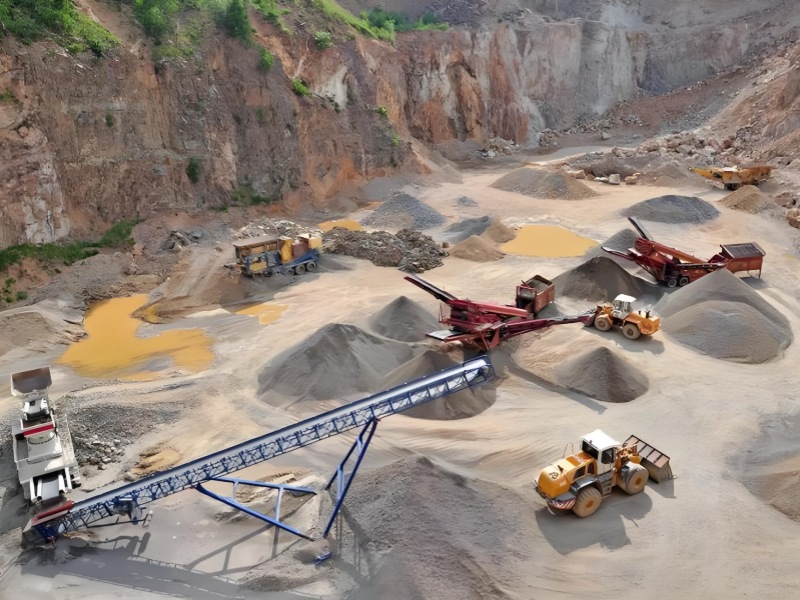
    Heavy-duty Jaw Crusher PE-900×1200 (crushing capacity: 250-300 TPH)

    Batching Hopper (with weight sensor, accuracy ±1%)

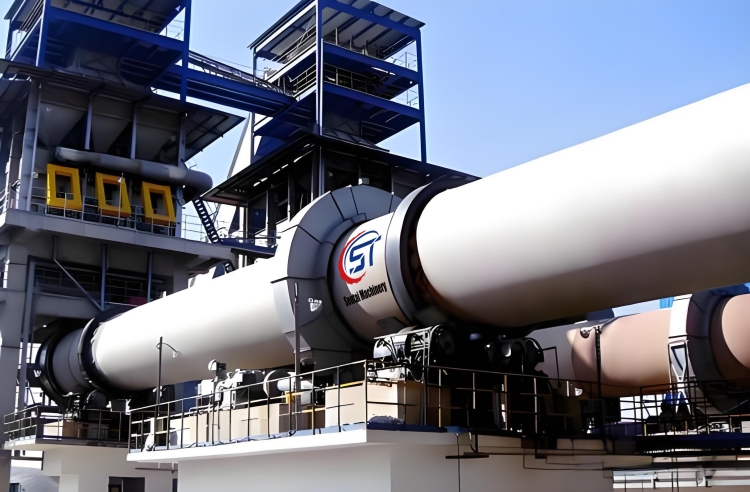
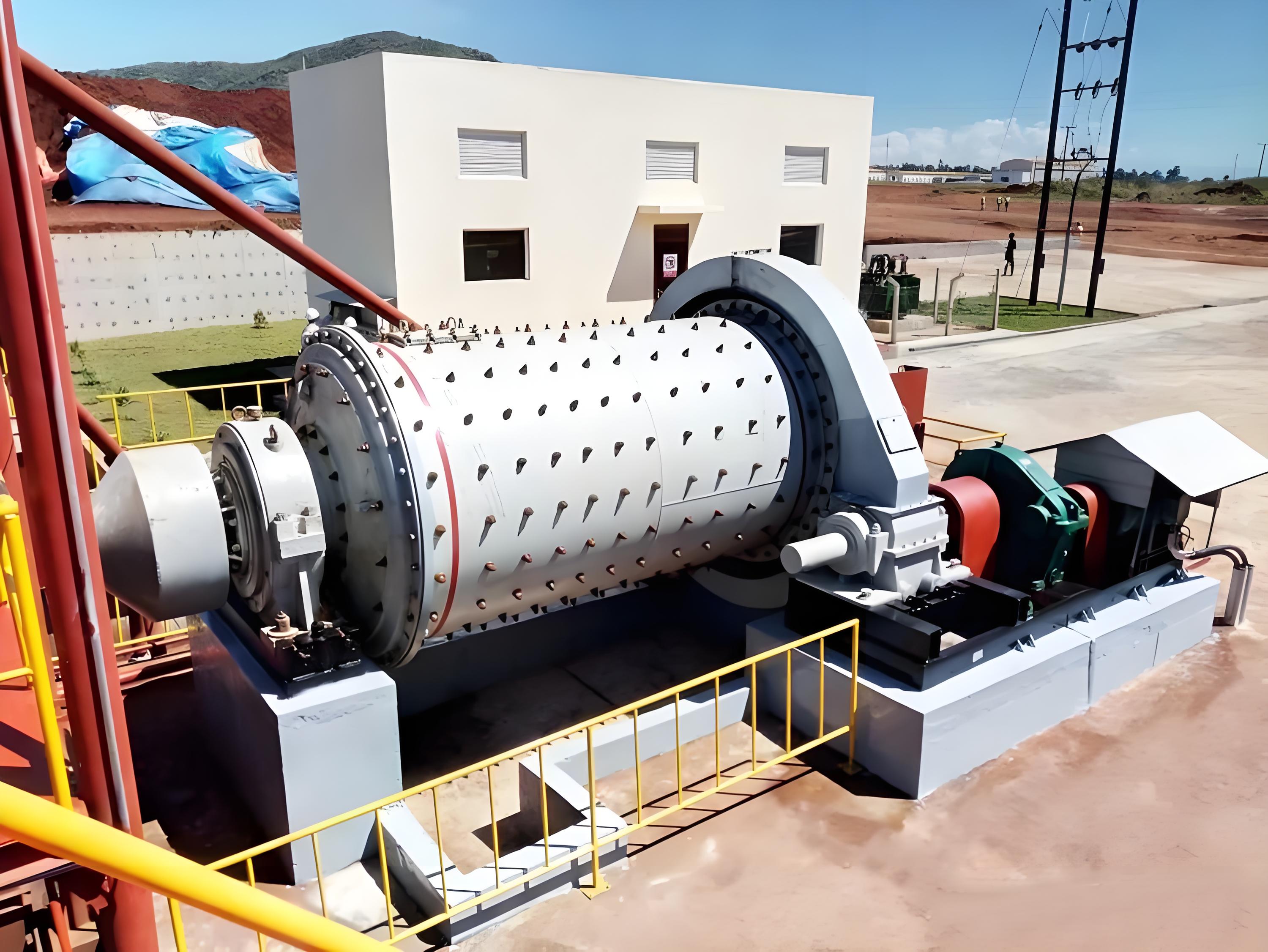
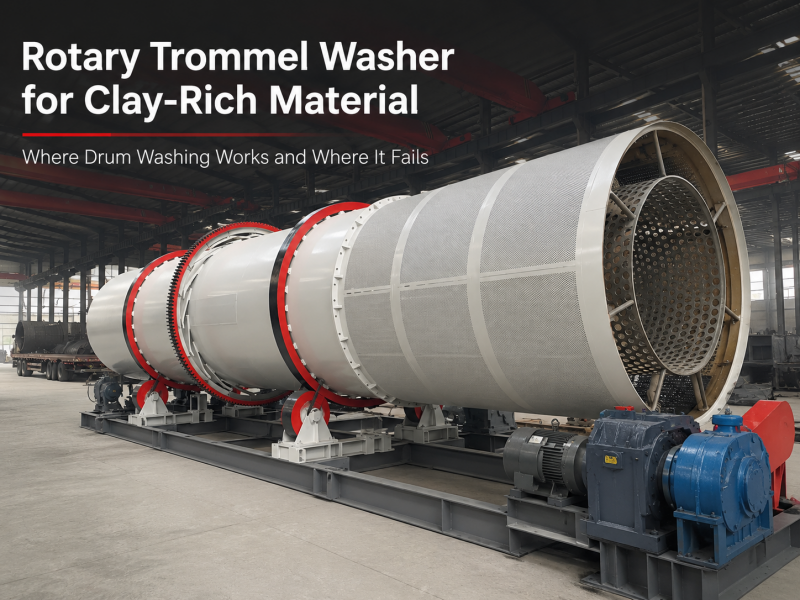
    Φ3.6m×50m Rotary Kiln (refractory lined, 1-2 RPM rotation speed)

    Rotary Cooler Φ2.2m×18m (water jacket cooling, discharge temp <100°C)

    Exhaust Gas Treatment System (baghouse filter + heat exchanger, efficiency ≥99.9%)

    Combustion System (natural gas burner, temperature control ±5°C)

    PLC Central Control System (remote monitoring + data logging)

    Belt Conveyors (heat-resistant for high-temperature zones)


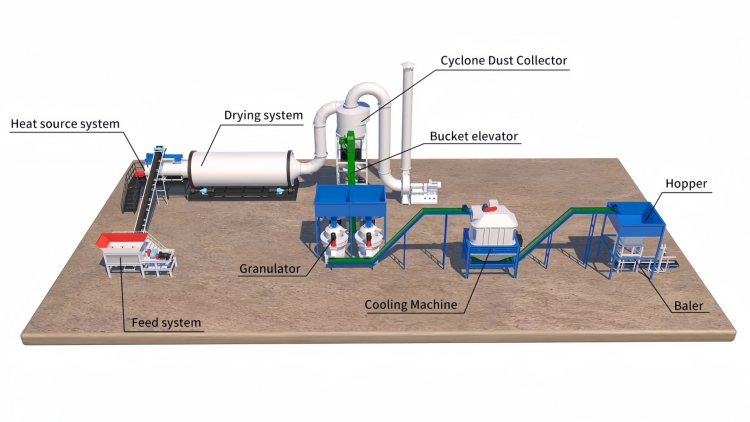
Flow Description

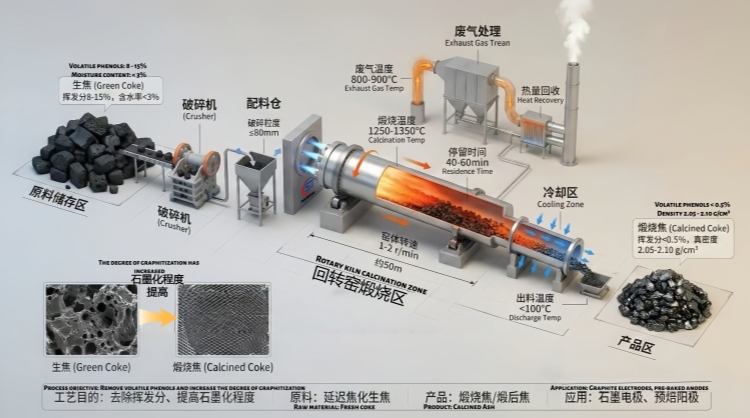
    Raw Material Feeding: Green coke (volatile matter 8-15%, moisture ≤3%) is transported from the client’s refinery to the 500 m³ raw material silo. The silo’s level sensor triggers automatic feeding to maintain continuous operation.

    Crushing & Batching: Green coke is fed to the jaw crusher PE-900×1200, reducing particle size to ≤80mm. The crushed material is then conveyed to the batching hopper, which precisely controls feed rate to match the kiln’s 200 TPH capacity.

    Rotary Kiln Calcination: Material enters the Φ3.6m×50m rotary kiln, where a natural gas burner maintains an internal temperature of 1250-1350°C. The kiln rotates at 1-2 RPM, ensuring a 40-60 minute residence time to remove volatile matter and increase graphitization degree.

    Cooling: Calcined coke exits the kiln and enters the rotary cooler, where water jacket cooling reduces the discharge temperature to <100°C, preventing thermal degradation and ensuring safe handling.

    Exhaust Gas Treatment: 800-900°C exhaust gas from the kiln passes through a heat exchanger to recover waste heat (used to preheat combustion air), reducing energy consumption by 25%. The gas is then filtered by a baghouse to remove dust, meeting Saudi Arabia’s NAMP environmental standards (emissions ≤10 mg/m³).

    Product Handling: The final calcined coke (volatile matter <0.5%, true density 2.05-2.10 g/cm³) is conveyed to the product storage area, ready for shipment to the client’s graphite electrode production facility.


Supplement

    The rotary kiln is lined with high-alumina refractory bricks, designed to withstand 1400°C continuous operation, with a service life of 18-24 months.

    The PLC system provides real-time monitoring of kiln temperature, rotation speed, and feed rate, with automatic alarms for abnormal conditions to minimize downtime.

    The line can be upgraded with a flue gas desulfurization (FGD) unit to meet stricter emission requirements, and capacity can be adjusted between 180-220 TPH by modifying kiln rotation speed and burner output.

WhatsApp Email 15538010601