
STCrushers Is A Professional Minging Equipment Manufacturer since 2004, Providing High Quality Crushers, Sand Making Machines, Drying Equipment and more.
STCrushers Is A Professional Minging Equipment Manufacturer since 2004, Providing High Quality Crushers, Sand Making Machines, Drying Equipment and more.
A stone crushing plant is not just a collection of machines. It is a complete production system in which each piece of equipment must match the raw material, target output, finished product size, and plant capacity. If the equipment is not properly selected, the plant may suffer from low production efficiency, excessive wear, unstable output size, and higher operating costs.
So how should equipment be chosen for a stone crushing plant? The answer depends on several practical factors, including material hardness, maximum feed size, required discharge size, production capacity, and the final use of the crushed stone.
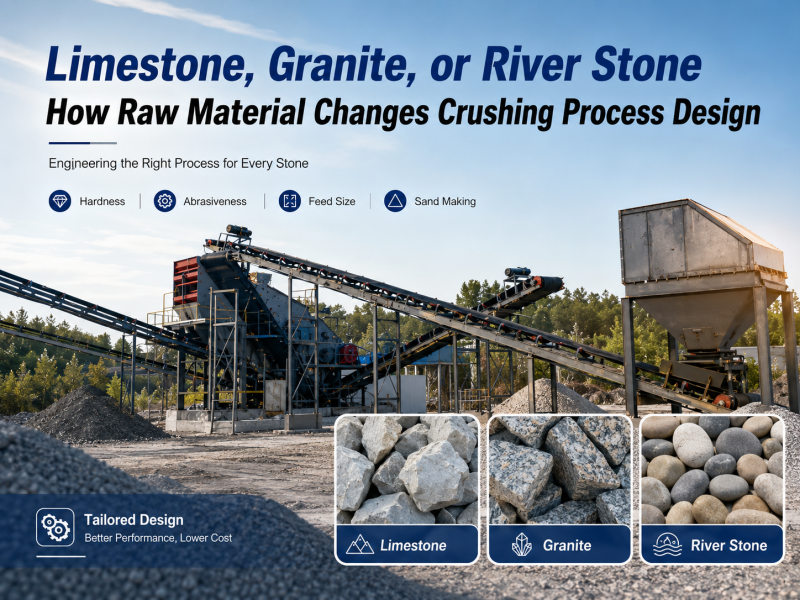
The first step is to understand the raw material. Different stones behave differently during crushing. Limestone is softer and easier to process, while granite, basalt, and some river stones are harder and more abrasive. Hard materials place greater demands on crusher structure, wear parts, and plant design. This is why the first equipment decision should always begin with the stone type.
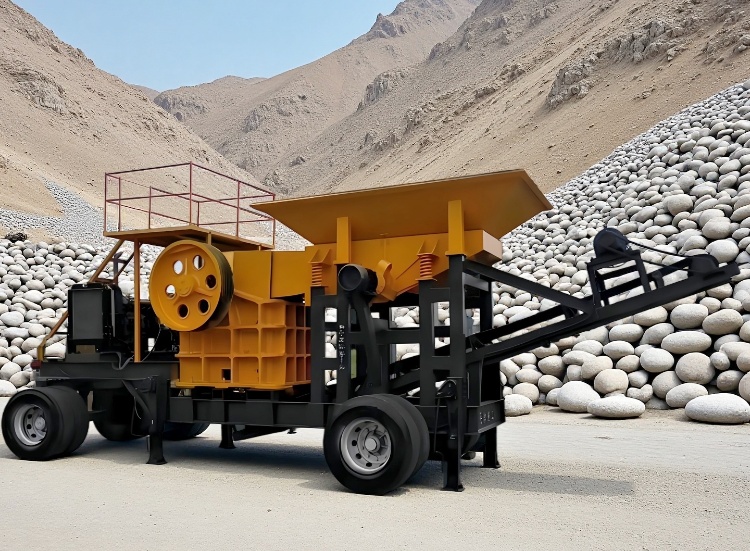
The second factor is feed size. Large blasted rock or quarry material usually requires strong primary crushing equipment. In most stone crushing plants, a jaw crusher is used for the first crushing stage because it can handle large feed material and provide reliable primary reduction. If the feed size is already smaller, the plant may use a simpler process arrangement, but in most cases primary crushing remains essential.
The third factor is required output size. Some customers only need coarse aggregate for road base or further crushing, while others need different aggregate sizes for concrete, asphalt, or building materials. The smaller and more uniform the required product size is, the more carefully the secondary crushing and screening stages must be designed.
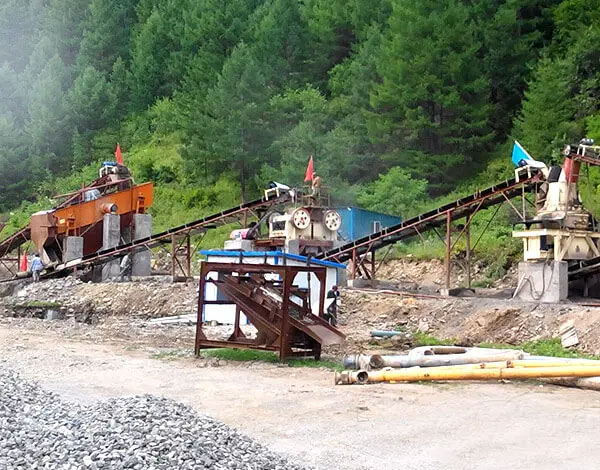
A typical stone crushing plant usually includes the following major equipment: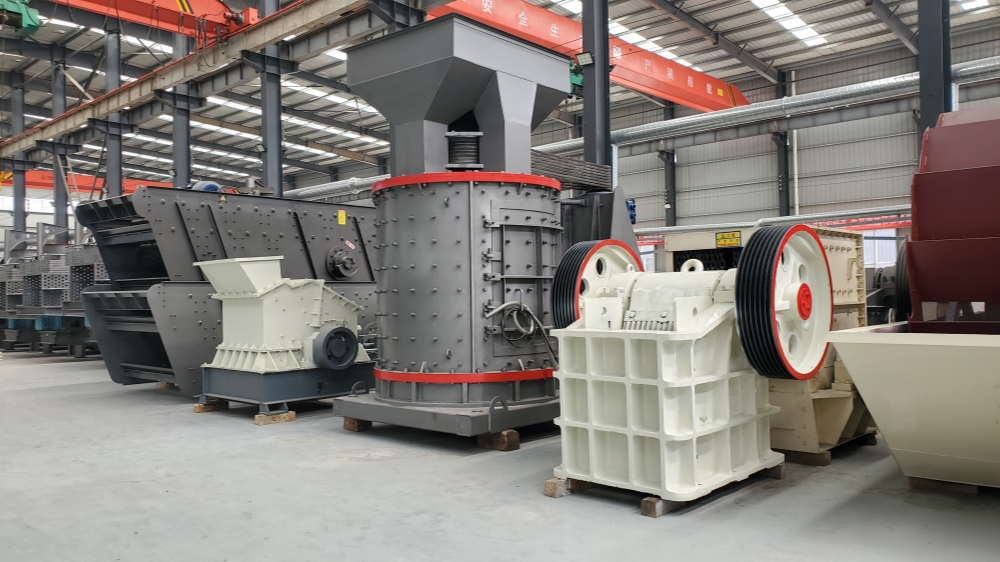
- Vibrating feeder
- Secondary crusher
- Vibrating screen
- Belt conveyors
- Electrical control system
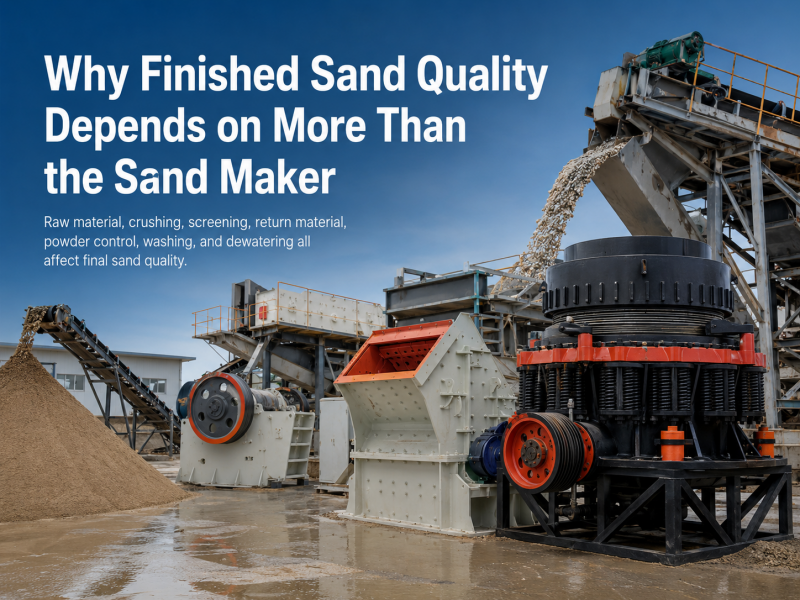
The vibrating feeder ensures stable and even feeding into the crusher. This is important because feeding instability can reduce crushing efficiency and increase wear. The primary crusher, usually a jaw crusher, handles the first stage of material reduction. The secondary crusher then reduces the material further and helps produce the required finished size. Depending on the stone and final product requirement, this stage may use an impact crusher, hammer crusher, or other suitable machine.
The vibrating screen is one of the most important parts of the line because it controls product size classification. Qualified material goes to stockpile or the next process, while oversized material is returned for further crushing. A well-designed closed-circuit process improves capacity and final product consistency.
When choosing equipment, capacity must also be considered carefully. A 40–60 tph stone crushing plant has very different requirements from a 180–220 tph plant. Crusher size, screen area, and conveyor capacity all need to match the target throughput. If one machine is too small, the whole plant may become inefficient. If equipment is oversized without reason, the investment cost becomes unnecessarily high.
Another important factor is the final application of the crushed stone. If the output will be used for roads, basic aggregate, or further industrial processing, the plant design may differ from a line producing more strictly graded aggregate for higher-standard construction work. In some projects, better particle shape is important, which may affect the choice of secondary crusher.
Maintenance and wear cost should also be part of the equipment selection process. Buyers often focus on the machine price, but the long-term cost depends heavily on liner life, hammer life, spare part convenience, and service stability. A good stone crushing plant should be designed not only for output, but also for practical operation and maintenance.
When planning equipment for a stone crushing plant, it is useful to prepare the following information:
- Raw material type
- Maximum feed size
- Target discharge sizes
- Capacity per hour
- Final application of the stone
- Site layout
- Local power conditions
In summary, choosing equipment for a stone crushing plant means building a coordinated system, not simply buying one crusher. The correct process should match the stone type, feed condition, final product goals, and plant capacity. Good equipment selection improves production efficiency, lowers wear cost, and creates a more stable final product.
At Sentai machinery, we help customers configure stone crushing plants according to actual material and project requirements. A well-matched production line is the key to long-term performance and reliable output.
Need help choosing equipment for a stone crushing plant? Contact Sentai machinery with your raw material, capacity, and output requirements for a practical plant configuration recommendation.
Related Articles
How to Choose the Right Stone Crusher for Your Project
 WhatsApp
 Email
Email
 +86 15538010601