
STCrushers Is A Professional Minging Equipment Manufacturer since 2004, Providing High Quality Crushers, Sand Making Machines, Drying Equipment and more.
STCrushers Is A Professional Minging Equipment Manufacturer since 2004, Providing High Quality Crushers, Sand Making Machines, Drying Equipment and more.
Choosing the right stone crusher is one of the most important decisions in any aggregate, mining, or construction material project. The wrong machine can lead to low productivity, excessive wear, oversized material, and higher operating costs. The right machine, on the other hand, can improve efficiency, reduce downtime, and help you achieve a better final product.
So how do you select the right crusher for your project? The answer depends on several practical factors, including the hardness of the raw material, required feed size, target output size, production capacity, and site conditions.
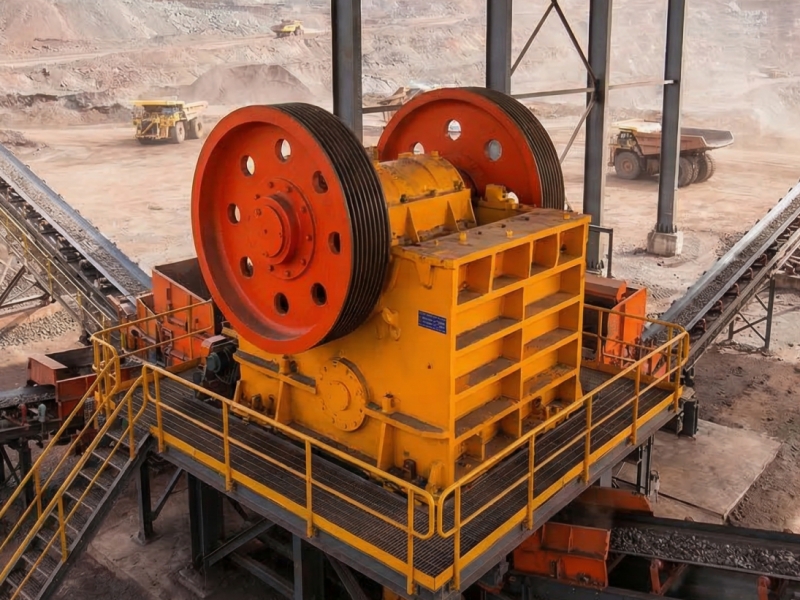
The first factor to consider is the type of material you need to process. Different stones have very different hardness and abrasiveness levels. For example, limestone is relatively soft and easier to crush, while granite, basalt, and quartz are much harder and place greater demands on the equipment. For hard rock, a jaw crusher is often used as the primary crusher because of its strong compression capacity and durable structure. For softer materials or for applications where shaping is important, impact crushers or hammer crushers may also be considered.
The second key point is feed size. You need to know the maximum size of the raw material entering the machine. Large stones from blasting or quarry operations usually require a primary crusher such as a jaw crusher. If the feed material is already smaller, a secondary crusher or fine crushing machine may be enough. Matching feed size to crusher opening is essential. If the feed is too large for the machine, it can cause blockage, unstable operation, or accelerated wear.
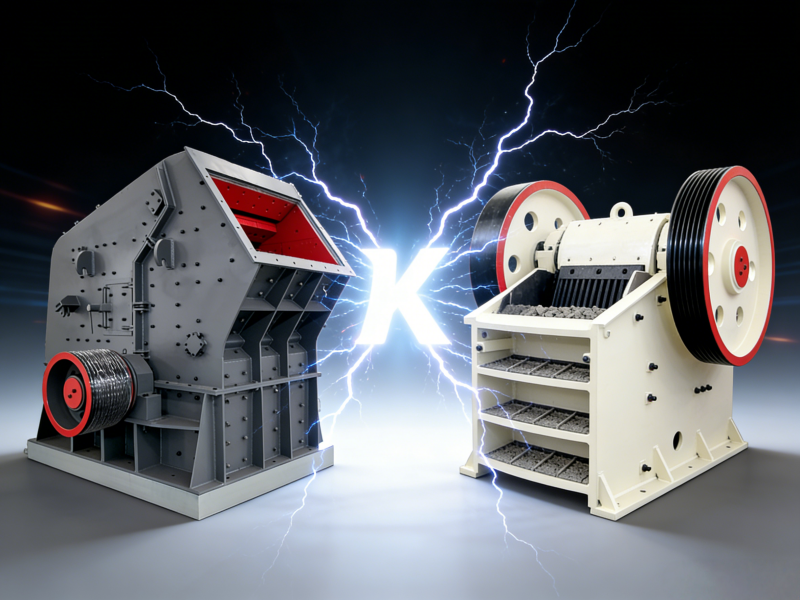
The third factor is required output size and product shape. Some customers only need coarse crushed stone for road base or further processing. Others need smaller aggregate or machine-made sand with better shape. Jaw crushers are excellent for primary reduction, but the final particle shape is usually less cubic than that produced by impact crushers or sand making machines. If your project needs high-quality aggregates for concrete or asphalt, the entire crushing and shaping process should be considered from the beginning.
Another major factor is capacity, usually measured in tons per hour. A small project may only need 30 to 50 tons per hour, while a commercial quarry may need 100, 200, or even more. Capacity affects not only the choice of crusher model but also the overall production line design. A crusher that is too small will become a bottleneck. A crusher that is too large may increase your investment cost unnecessarily. Capacity should always be matched with the feeder, screen, conveyor, and downstream equipment.
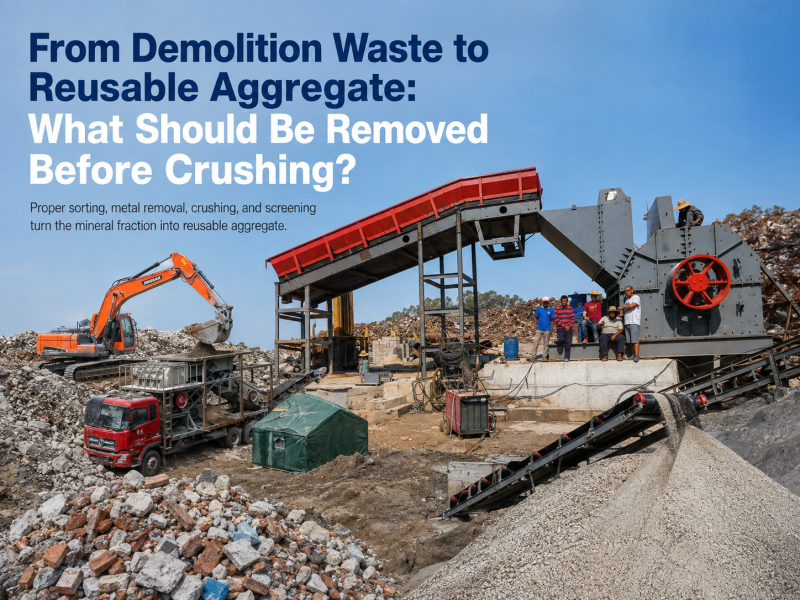
You should also think about whether you need a stationary plant or a mobile solution. Stationary crushing plants are suitable for long-term projects with stable installation conditions and often provide strong output and easy line expansion. Mobile crushers are more flexible and suitable for construction waste treatment, short-term quarry work, or sites where material locations change frequently. The right choice depends on your land layout, installation budget, and mobility needs.
Maintenance and wear part cost are often overlooked during equipment selection. Two machines with similar capacity may have very different long-term operating costs. Buyers should consider liner life, hammer life, bearing reliability, lubrication requirements, and ease of replacement. A crusher is not only a purchase; it is a long-term production asset. Choosing equipment with stable performance and convenient maintenance can save significant money over time.
It is also important to evaluate the complete process flow, not just one machine. In many projects, the crusher is part of a full plant that includes vibrating feeders, screens, conveyors, sand making machines, and sometimes washing systems. The best crusher is the one that fits the whole line. This is why experienced suppliers usually ask for details such as material type, moisture, feed size, finished product size, and target capacity before recommending a model.
At Sentai machinery, we usually suggest that customers provide the following information before selecting a crusher:
<--->Raw material type
<-->Maximum feed size
<->Required discharge size
<->Capacity per hour
<->Site layout or working conditions
<-->Whether the project needs fixed or mobile installation
<->Whether the final product will be used for roads, concrete, bricks, or further processing
In summary, choosing the right stone crusher is not just about buying the biggest machine or the cheapest machine. It is about matching the equipment to your material, capacity, finished product requirements, and budget. A carefully selected crusher can improve production efficiency, reduce wear, and deliver a more stable final product.
If you are planning a crushing line and want practical equipment recommendations, Sentai machinery can help you design a suitable solution based on your raw material and project goals.
Need help choosing the right crusher model? Contact Sentai machinery with your raw material, feed size, and required capacity for a customized solution.
Related Articles:
Jaw Crusher vs Impact Crusher: Which One Should You Choose?
Best Crusher for Limestone Crushing
What Equipment Is Needed for a Sand Making Plant?
 WhatsApp
 Email
Email
 +86 15538010601