
STCrushers Is A Professional Minging Equipment Manufacturer since 2004, Providing High Quality Crushers, Sand Making Machines, Drying Equipment and more.
STCrushers Is A Professional Minging Equipment Manufacturer since 2004, Providing High Quality Crushers, Sand Making Machines, Drying Equipment and more.
Many buyers ask a simple question when planning a drying project: can your rotary dryer dry my material?
This question is useful, but it is not complete. A better question is: how will this material behave inside the dryer?
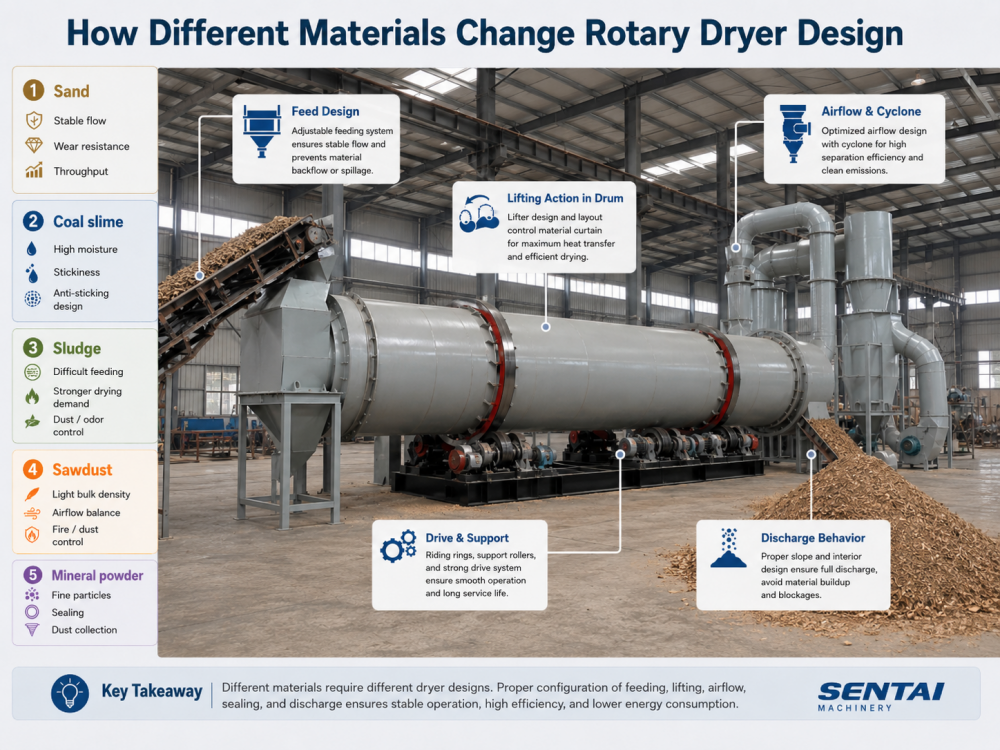
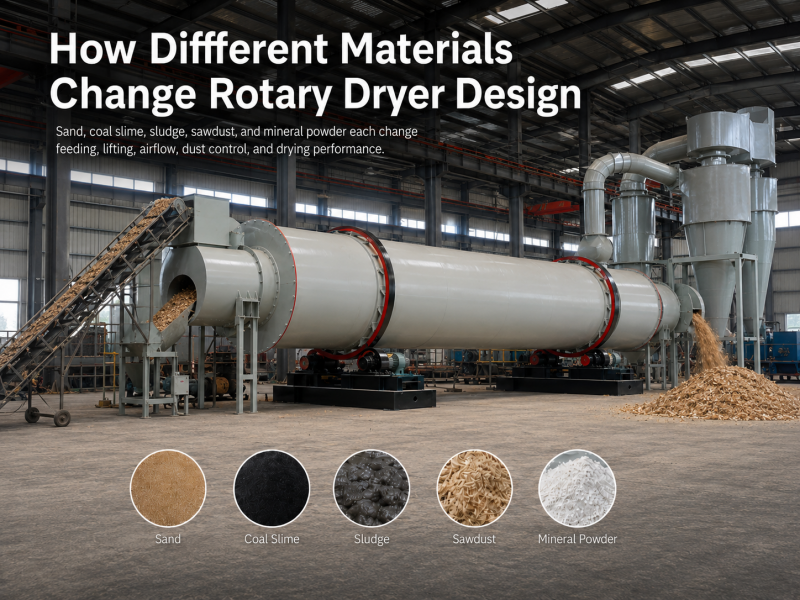
From the outside, many rotary dryers may look similar. They usually have a long rotating drum, feeding system, discharge system, hot air connection, drive system, and dust collection equipment. But inside the process, sand, coal slime, sludge, sawdust, and mineral powder do not behave the same way.
Some materials flow easily. Some materials stick together. Some are light and fluffy. Some create a lot of dust. Some need stable final moisture for the next process. Because of this, rotary dryer design should be based on the material, not only on the dryer model.
For Sentai Machinery, material condition is always one of the first points to confirm before recommending a rotary dryer.
Sand is usually easier to dry than sticky industrial materials, but it still needs proper system matching.
Washed sand often contains surface moisture. The material is granular and can move well inside the drum if feeding is stable. The main design focus is to remove moisture efficiently and keep the final moisture suitable for storage, packing, dry mortar, or construction use.
For sand drying, the dryer should provide enough heat contact and stable material turning. If the feeding moisture changes greatly, the discharge moisture may also change. If the airflow is not controlled well, fine particles may be carried away and increase dust collection pressure.
In many sand drying projects, a three cylinder sand dryer may also be considered when the site needs compact layout and higher heat efficiency. The final choice depends on capacity, moisture, fuel, space, and product requirement.
Coal slime is very different from sand. It is often sticky, fine, heavy, and difficult to disperse. If it enters the dryer in lumps, the surface may dry first while the inside remains wet.
For coal slime drying, the design focus is not only evaporation. The dryer must help break, lift, scatter, and turn the material continuously. Internal lifting plates, chain structure, suitable rotation speed, and enough residence time are important.
If coal slime is treated like common granular material, the dryer may still rotate, but the drying result may be unstable. Sticky material may attach to the drum wall or move forward unevenly. This can reduce output and increase fuel consumption.
For buyers in coal producing areas, the goal is often to reduce moisture and improve fuel value. In this case, stable final moisture is more important than simply making the material look dry on the surface.
Sludge drying is usually more difficult because sludge may contain high moisture, fine particles, organic content, and unstable physical condition. Some sludge materials are sticky and difficult to feed smoothly.
Before selecting a sludge dryer, it is important to confirm whether the material can enter the drum evenly. Feeding blockage, lump formation, and unstable moisture can all affect drying performance.
For sludge, the dryer system may need stronger feeding control, better sealing, proper hot air design, and suitable dust or gas handling. The project should also consider site conditions, odor control requirements, and the next treatment step after drying.
The dryer itself is important, but sludge drying also depends on the complete supporting system.
Sawdust is lighter than sand, coal slime, or mineral powder. It may look easy to dry, but it often has uneven moisture. Some parts may be dry and fluffy, while other parts still hold high water.
For sawdust drying, stable feeding and airflow control are very important. If airflow is too strong, light material may be carried too fast. If airflow is too weak, heat contact may not be enough. The dryer must keep the material turning and spreading without losing too much fine material.
Sawdust is often dried before pellet production, biomass fuel processing, board material preparation, or other downstream use. In these cases, final moisture stability affects the next process. If the sawdust is too wet or too dry, pellet quality or fuel performance may be affected.
This is why sawdust dryer design should consider both drying efficiency and downstream material use.
Mineral powder, ore powder, and similar fine materials bring another challenge. These materials may dry relatively fast, but they can easily create dust and be carried away by airflow.
For mineral powder drying, airflow balance is critical. Too little airflow may reduce drying efficiency. Too much airflow may increase dust loss and overload the dust collection system.
The dryer design should consider cyclone separation, dust collector, sealing, induced draft fan, and discharge method. If the dried material will enter grinding, storage, packing, or calcination, the final moisture and powder loss should be controlled carefully.
In some projects, mineral powder drying is also connected with later rotary kiln calcination. In that case, stable moisture before calcination can help improve kiln feeding and process stability.
The table below shows how material behavior can influence rotary dryer design.
Material | Main Drying Challenge | Design Attention |
Sand | Surface moisture and fine dust | Stable heat contact, airflow control, optional washing and drying connection |
Coal slime | Stickiness and wet lumps | Strong dispersion, lifting plates, chain structure, longer residence time |
Sludge | High moisture and feeding difficulty | Stable feeding, sealing, heat supply, supporting system design |
Sawdust | Light material and uneven moisture | Feeding stability, airflow control, enough turning and spreading |
Mineral powder | Dust loss and fine particle handling | Dust collection, sealing, airflow balance, cyclone separation |
This comparison shows why one standard dryer model cannot solve every drying project in the same way.
Before recommending a rotary dryer, Sentai Machinery usually needs to confirm these details.
1. What material needs to be dried?
2. What is the initial moisture content?
3. What final moisture is required?
4. Is the material sticky, loose, powdery, granular, or lumpy?
5. What is the feeding size or particle size?
6. What capacity is required per hour?
7. Is the capacity based on wet input or dry output?
8. What heat source is available locally?
9. What is the next process after drying?
10. Are there dust, odor, layout, or environmental requirements at the site?
These details help avoid wrong dryer selection. They also help the supplier judge whether supporting equipment such as feeder, conveyor, cyclone, fan, dust collector, or discharge system should be included.
A rotary dryer may look similar from the outside, but different materials need different drying logic inside the system.
Sand needs stable moisture removal and flow. Coal slime needs stronger dispersion and anti-sticking consideration. Sludge needs careful feeding and system control. Sawdust needs airflow balance and stable final moisture. Mineral powder needs dust control and fine particle recovery.
For buyers, the better question is not only which rotary dryer model is suitable. A more useful question is how the material will move, scatter, dry, and discharge inside the dryer.
When the dryer is selected according to real material behavior, the system becomes more stable, easier to operate, and better matched to the next production step.
If you are planning a drying project for sand, coal slime, sludge, sawdust, mineral powder, or other wet materials, Sentai Machinery can help evaluate the process according to your material condition, moisture, capacity, heat source, and site layout.
Send us your material name, photos or videos, initial moisture, target final moisture, and required capacity. Our team can help recommend a suitable rotary dryer configuration for your production line.
Related Articles:
1. Why Wet Material Condition Matters More Than Dryer Model Alone
2. How We Check a Rotary Dryer Before Shipment
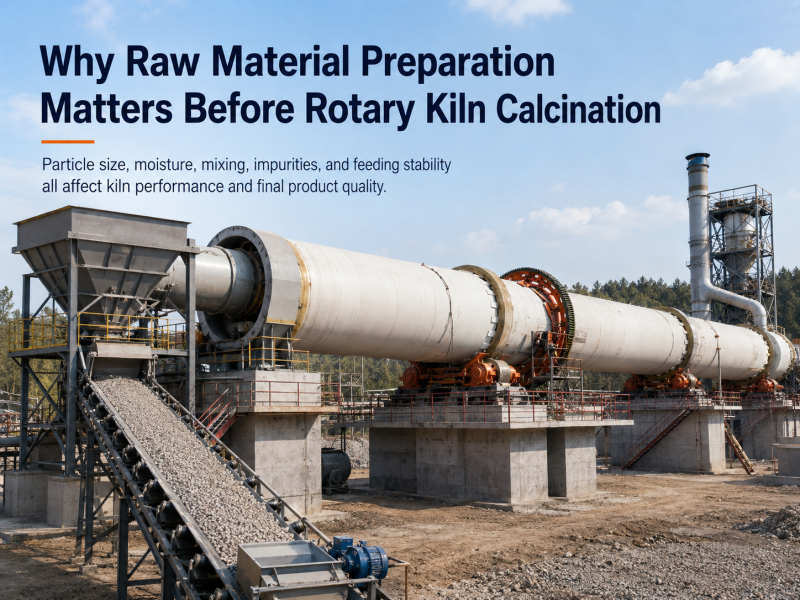
3. Why Raw Material Preparation Matters Before Rotary Kiln Calcination
4. What Photos and Documents Should Be Prepared Before Overseas Equipment Shipment
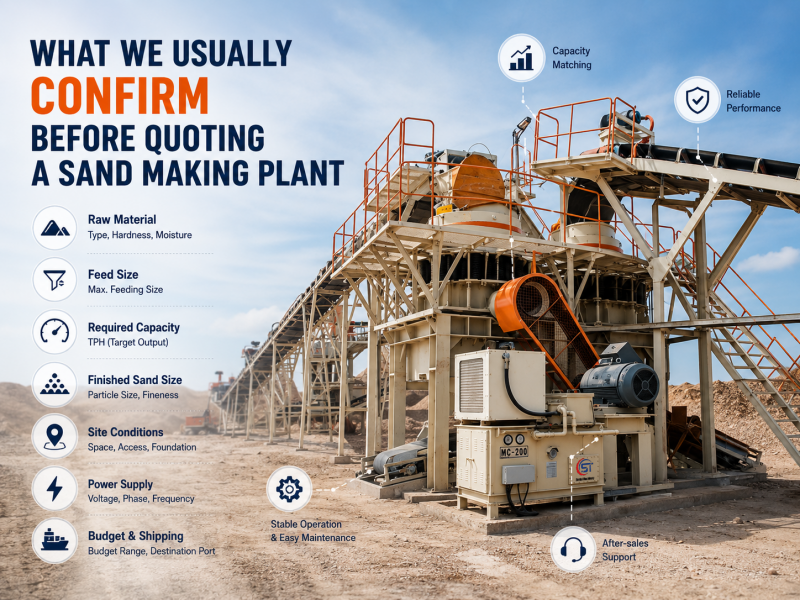
5. What We Usually Confirm Before Production Starts
Suggested Solutions:

 WhatsApp
 Email
Email
 +86 15538010601