
STCrushers Is A Professional Minging Equipment Manufacturer since 2004, Providing High Quality Crushers, Sand Making Machines, Drying Equipment and more.
STCrushers Is A Professional Minging Equipment Manufacturer since 2004, Providing High Quality Crushers, Sand Making Machines, Drying Equipment and more.
Many buyers think installation starts when the equipment reaches the project site. In real machinery projects, installation starts earlier.
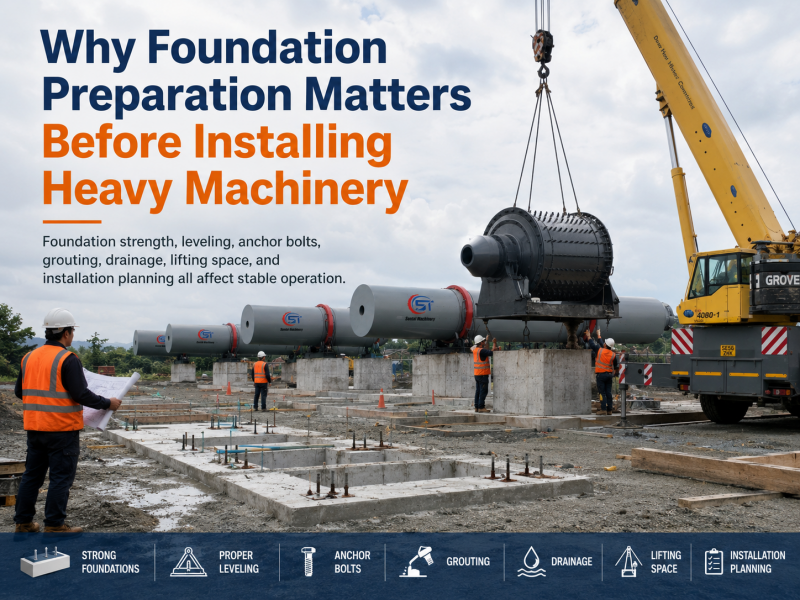
For heavy equipment such as jaw crusher, ball mill, rotary dryer, rotary kiln, vibrating screen, and complete production line equipment, the foundation is not only a concrete base. It affects machine stability, alignment, vibration control, transmission performance, and future maintenance.
If the foundation is not prepared properly, the machine may vibrate, the transmission may be hard to align, anchor bolts may not match, or the site team may need to rebuild part of the base.
For overseas projects, this can delay the schedule because equipment arrival, crane work, workers, and site preparation are often arranged separately. Sentai Machinery recommends checking foundation requirements before shipment and installation.
Some buyers focus on equipment production, shipping, and customs clearance, but leave foundation work until the machine is close to arrival. This is risky.
Heavy equipment usually needs foundation drawings, anchor bolt positions, installation direction, reserved space, and sometimes secondary grouting. If these details are not confirmed early, the site may not be ready when the goods arrive.
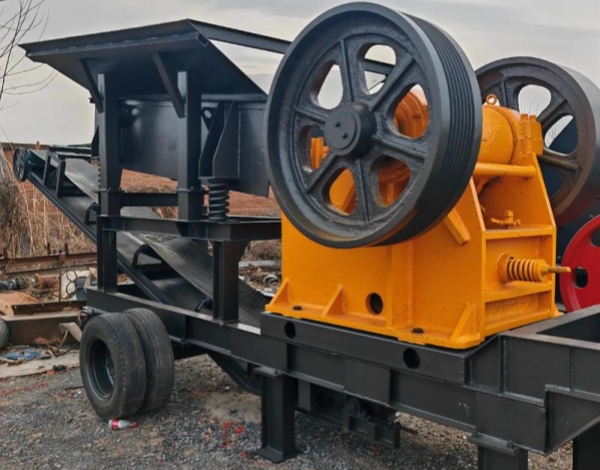
For example, a ball mill needs accurate foundation height and alignment. A rotary dryer needs support roller bases, drive space, feed and discharge connection. A jaw crusher needs a strong base for impact load.
Heavy machinery creates static load and dynamic load. Static load comes from equipment weight. Dynamic load comes from crushing impact, rotation, vibration, material movement, and transmission force.
A foundation that looks strong may still be unsuitable if it is not prepared for the real working load. Poor strength can lead to settlement, cracking, uneven support, or excessive vibration.
For jaw crushers and vibrating screens, vibration control is important. For ball mills, rotary dryers, and rotary kilns, stable support affects rotation, alignment, and wear control.
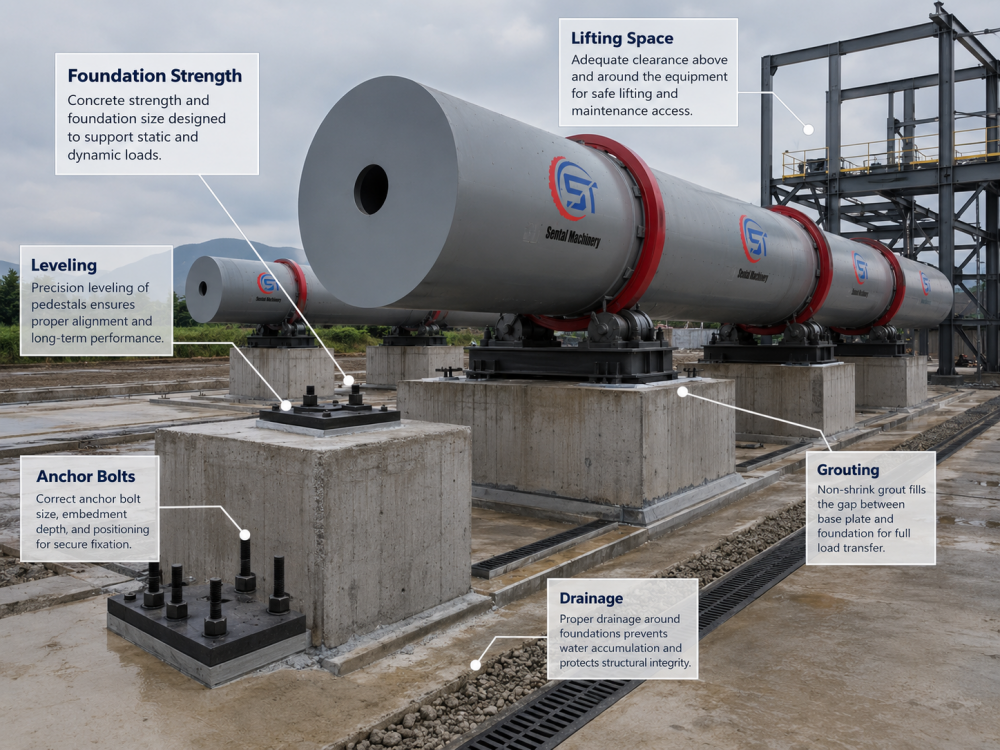
A heavy machine needs proper leveling and alignment. If the foundation is not level, the machine base may not sit evenly. This can create stress on the frame, bearing seat, reducer, motor, or transmission parts.
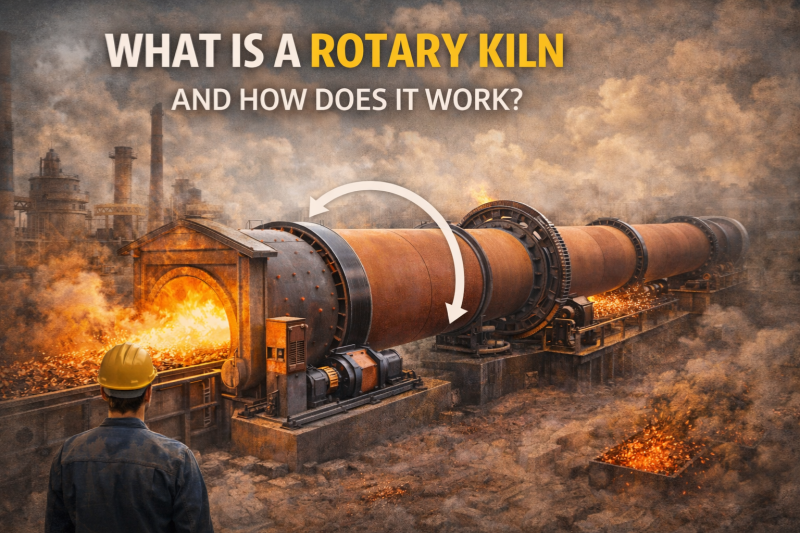
For ball mill, rotary dryer, and rotary kiln, alignment is even more important. Support rollers, riding rings, girth gear, reducer, and motor should work in the correct position. Good leveling reduces wear, noise, vibration, and maintenance problems.
Anchor bolts and embedded parts connect the equipment to the foundation. If bolt positions are wrong, installation becomes difficult. The site team may need to drill again, enlarge holes, or modify the base, which can affect installation quality.
Before construction, buyers should check the latest foundation drawing from the supplier. The drawing should match the final equipment model, not an old version or similar machine.
Some heavy machines also need secondary grouting after initial positioning and leveling. Grouting fills the space between the equipment base and the concrete foundation, helping transfer load more evenly and improving support.
Different machines have different foundation requirements.
Equipment | Foundation Focus | Why It Matters |
Jaw crusher | Impact load and vibration control | Helps reduce shaking and frame stress |
Ball mill | Leveling, alignment, and strong support | Affects transmission and long term rotation |
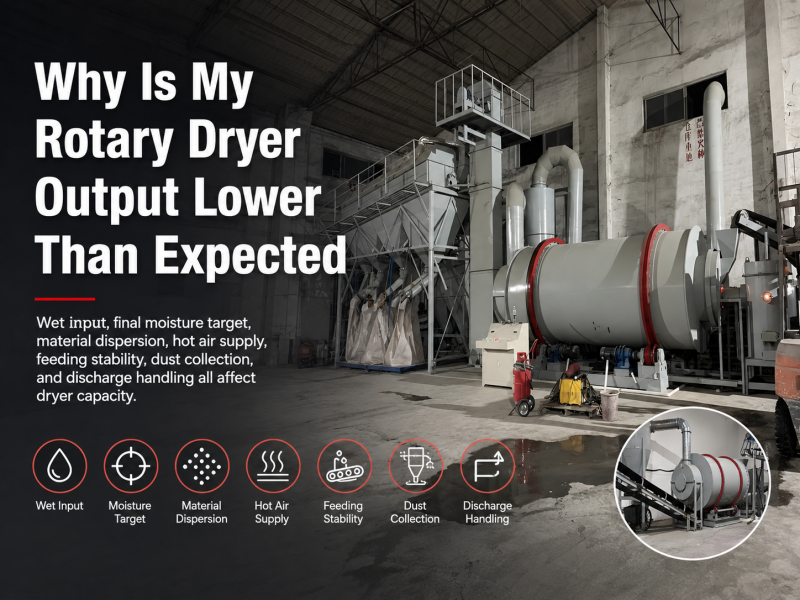
Rotary dryer | Support roller base and drive alignment | Keeps drum rotation stable |
Rotary kiln | Long body alignment and support stability | Affects kiln operation and product stability |
Vibrating screen | Vibration isolation and support strength | Reduces structural stress |
Complete production line | Equipment height and conveyor connection | Helps the whole line run smoothly |
This table shows why foundation preparation should be based on the actual machine, not only on general site experience.
Foundation preparation is not only about concrete strength. The site should also consider drainage, ground moisture, rainwater, dust, and material accumulation. If water collects around the foundation, it may affect the base, bolts, electrical parts, or maintenance area.
Buyers should also reserve space for lifting and maintenance. Heavy parts may need cranes or forklifts. A ball mill needs space for liner replacement. A jaw crusher needs space for jaw plate replacement. A rotary dryer or rotary kiln needs space around support rollers, drive system, feed end, and discharge end.
A layout without maintenance space is not practical.
Before installing heavy machinery, buyers should prepare these items.
1. Latest foundation drawing from the supplier.
2. Confirmed equipment model and installation direction.
3. Anchor bolt and embedded part positions.
4. Site ground condition and foundation construction plan.
5. Power supply and cable route.
6. Crane or lifting equipment access.
7. Space for maintenance and spare parts replacement.
8. Drainage and cleaning plan around the foundation.
9. Photos or videos of the prepared foundation.
10. Communication with the supplier before equipment arrival.
Heavy machinery installation does not begin when the equipment reaches the site. It begins with proper foundation preparation.
A suitable foundation helps the machine stay stable, align correctly, reduce vibration, and operate more reliably. Poor foundation preparation can cause delay, extra cost, installation difficulty, and long term operation problems.
For buyers, the better question is not only "When will the machine arrive?" A more useful question is "Is the site ready for this machine to be installed correctly?" When equipment foundation, lifting space, and installation drawings are confirmed in advance, the project becomes easier to control.
If you are preparing to install a crusher, ball mill, rotary dryer, rotary kiln, vibrating screen, or complete production line, Sentai Machinery can help provide foundation drawings and installation suggestions according to your equipment configuration.
Send us your site photos, equipment list, layout plan, and installation schedule. Our team can help review key preparation points before equipment arrives.
1. What Site Information Should Buyers Provide Before Plant Layout Design
2. What We Usually Confirm Before Production Starts
3. What Photos and Documents Should Be Prepared Before Overseas Equipment Shipment
4. Why Rotary Kiln Output Is Not Only Decided by Kiln Size
Suggested Solutions:
 WhatsApp
 Email
Email
 +86 15538010601