
STCrushers Is A Professional Minging Equipment Manufacturer since 2004, Providing High Quality Crushers, Sand Making Machines, Drying Equipment and more.
STCrushers Is A Professional Minging Equipment Manufacturer since 2004, Providing High Quality Crushers, Sand Making Machines, Drying Equipment and more.
Granite is one of the most common raw materials in construction aggregate production, road building, railway ballast, and large-scale infrastructure projects. At the same time, it is also one of the more demanding materials to process. Because granite has high hardness and strong abrasiveness, buyers need to choose crushing equipment more carefully than they would for softer stone such as limestone.
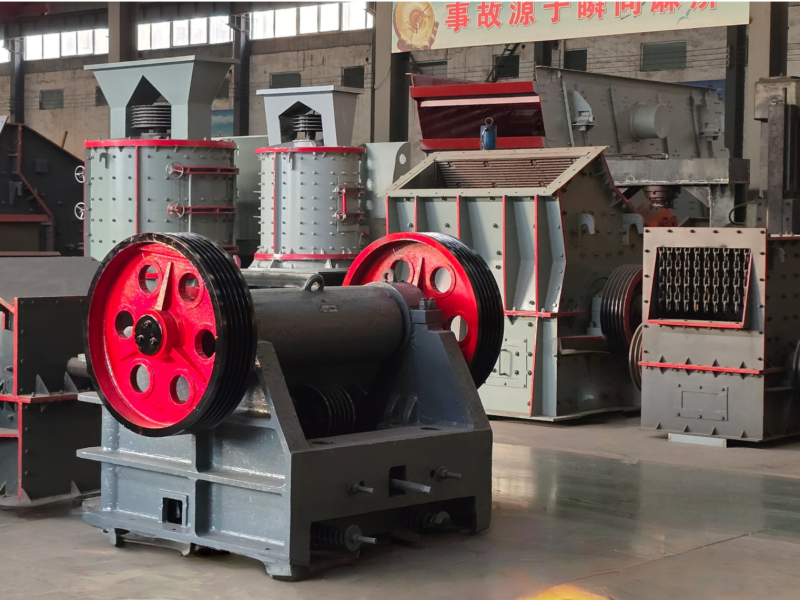
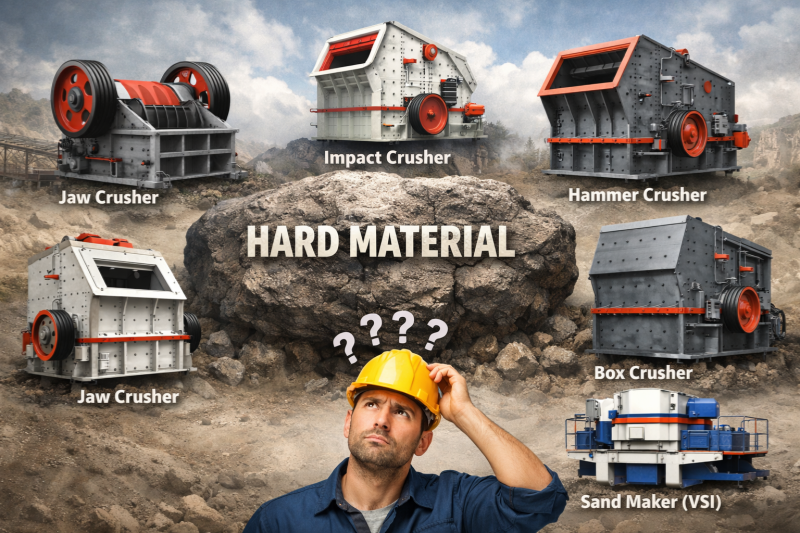
So what is the best crusher for granite and hard rock processing? The answer depends on the stage of crushing, the required final product size, the target capacity, and the overall plant design. In most practical cases, the best solution is not just one machine, but a suitable combination of equipment that can handle hard stone efficiently while controlling wear cost.
The first point to understand is that granite is a hard and abrasive material. This means the crusher must have strong compression capacity, durable wear parts, and a stable structure. Machines that work well for softer stone may not always perform efficiently or economically when processing granite for long periods.
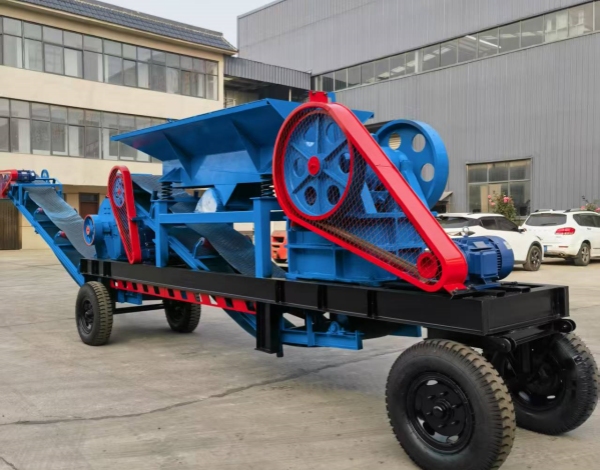
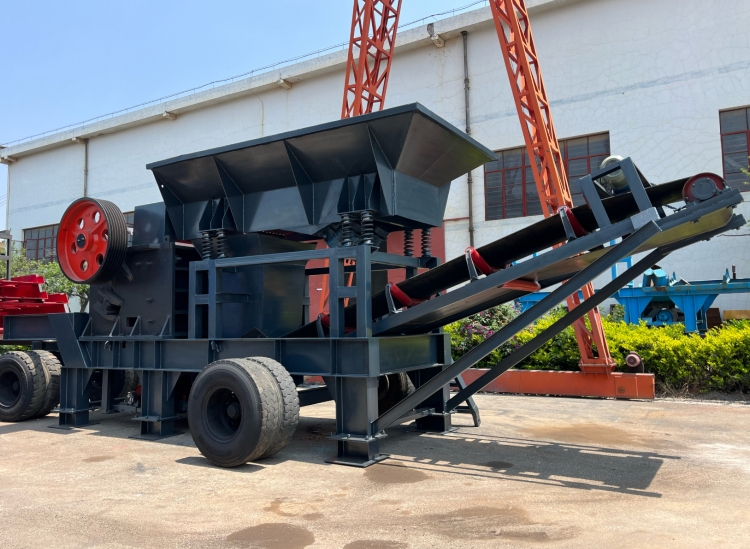
For primary crushing, a jaw crusher is often the most suitable choice. Jaw crushers use compression force to break large stones into smaller pieces and are well known for handling hard rock. Their strong frame, large feed opening, and reliable operation make them a common first-stage machine in granite quarries and hard rock crushing plants. If the feed material comes directly from blasting or from large quarry blocks, a jaw crusher is usually the starting point.
For secondary crushing, the choice depends on the final output requirement. In many granite plants, the next stage may involve another compression-based solution or a machine selected according to the target product size and plant design. The key goal is to reduce material size further while managing wear and maintaining stable capacity.
If the final product includes high-quality aggregate or manufactured sand, the line may also require sand making and shaping equipment. This is important because hard rock projects often need not only size reduction, but also better particle shape for use in concrete, asphalt, or high-grade construction applications.
When choosing the best crusher for granite, buyers should pay close attention to wear resistance. Hard rock processing usually causes faster wear than limestone crushing. This means wear part quality, replacement frequency, and maintenance convenience are all critical. A machine with a lower purchase price may become more expensive over time if wear part consumption is too high.
Another important factor is capacity requirement. A small quarry, a medium-sized aggregate plant, and a large commercial stone processing line all require different crusher models and process flows. The crusher should not be selected only by name. It should be selected according to feed size, hourly output, final discharge range, and the number of crushing stages needed.
Buyers should also think about finished product use. If the granite is processed into coarse stone for road base, the crushing line may be relatively straightforward. If the customer needs multiple aggregate sizes or high-quality manufactured sand, the line may need more stages, screens, and shaping equipment.
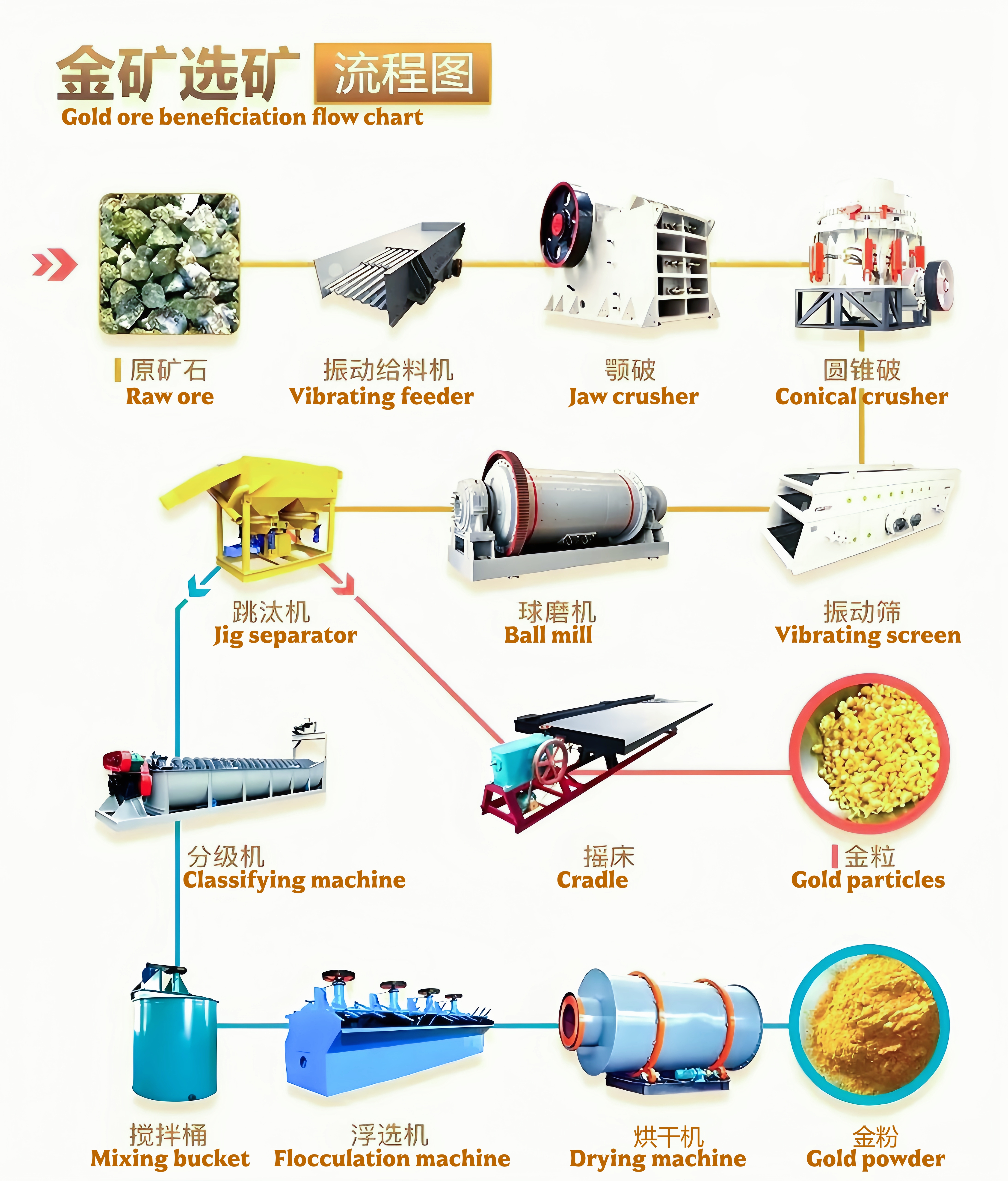
A typical granite or hard rock crushing plant may include: - Vibrating feeder - Jaw crusher for primary crushing - Secondary crushing equipment - Vibrating screen for size classification - Sand making machine if fine aggregate or manufactured sand is needed - Belt conveyors and electrical control system
It is also important to control feeding stability and plant matching. Hard rock crushing plants work best when the material flow is even and the surrounding equipment is properly sized. If the feeder, screen, or conveyor is not matched to the crusher, the whole line may lose efficiency.
In summary, the best crusher for granite and hard rock processing is usually a durable, well-matched system built around strong primary crushing and supported by suitable secondary and shaping stages. Granite is not a material that rewards guesswork. Proper machine selection helps reduce wear, improve throughput, and produce a more stable final product.
At Sentai machinery, we help customers select crushing equipment for granite and other hard rock materials based on feed size, capacity, product requirements, and site conditions. A suitable configuration can reduce long-term operating cost while supporting stable production.
Need a granite crushing solution? Contact Sentai machinery with your raw material size, target capacity, and finished product requirement for a practical hard rock crusher recommendation.
Related Articles:
80-100 tph Stone Crusher Plant
Jaw Crushers And Sand Making Machines: Powering Aggregate Production
 WhatsApp
 Email
Email
 +86 15538010601