
STCrushers Is A Professional Minging Equipment Manufacturer since 2004, Providing High Quality Crushers, Sand Making Machines, Drying Equipment and more.
STCrushers Is A Professional Minging Equipment Manufacturer since 2004, Providing High Quality Crushers, Sand Making Machines, Drying Equipment and more.
Sawdust is widely used in biomass fuel production, wood pellet processing, board manufacturing, and other industrial applications. However, freshly collected sawdust often contains too much moisture for direct use. If the moisture is too high, it can affect combustion efficiency, pellet quality, storage stability, and downstream processing performance. That is why many producers need an efficient drying solution before sawdust can be fully utilized.
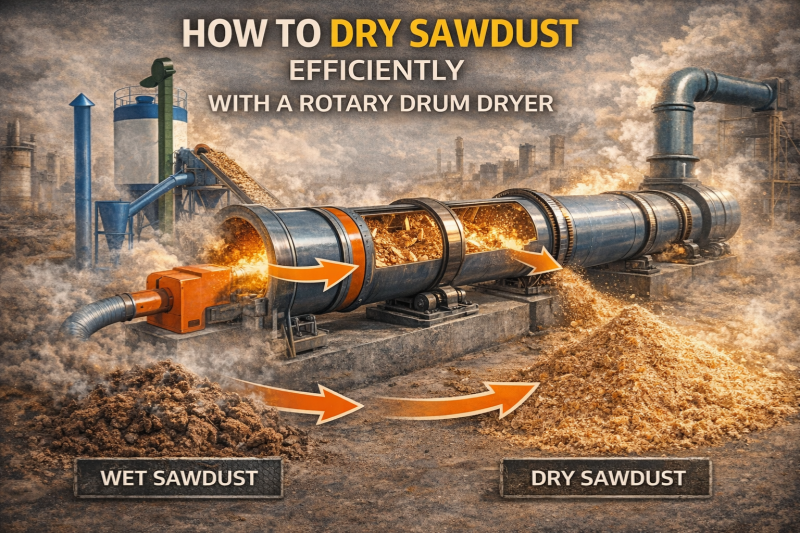
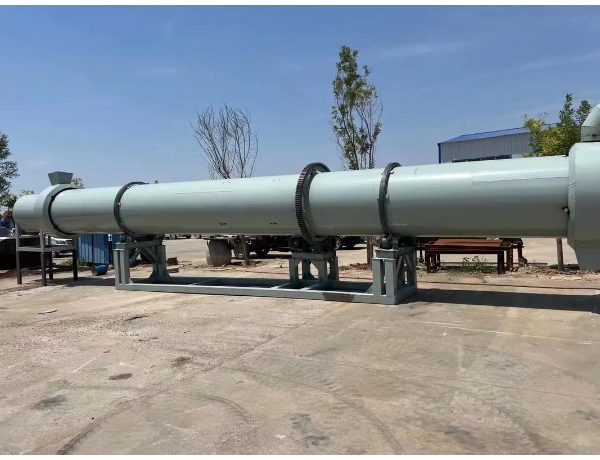
A rotary drum dryer for sawdust is one of the most practical and widely used solutions for reducing moisture in large-volume biomass materials. It allows continuous operation, stable throughput, and relatively flexible configuration according to production needs.
The first thing to understand is that sawdust drying is different from drying sand or mineral materials. Sawdust is lighter, more fibrous, and more sensitive to airflow and temperature. If the drying system is not properly designed, the material may dry unevenly, create excessive dust, or even lead to safety concerns in some working environments. This is why sawdust drying equipment should always be selected according to actual material conditions.
The most important factor in drying sawdust efficiently is initial moisture content. Some sawdust may only need moderate drying, while other wet biomass materials may require a much greater moisture reduction. Buyers should clearly know the moisture level before and after drying. This data is essential for selecting the correct dryer capacity and heat source.
The second key factor is capacity requirement. Drying 2 tons per hour of sawdust is very different from drying 20 tons per hour. Capacity affects drum size, heat demand, fan selection, dust collection requirements, and the entire plant layout. For this reason, a sawdust drying project should never be planned using only rough assumptions.
The third important point is heat source selection. Rotary drum dryers for sawdust may use different heat sources depending on local fuel conditions, operating cost, and environmental requirements. The goal is to provide sufficient drying energy while maintaining reasonable operating economy. A suitable heat source helps keep final moisture stable and improves overall efficiency.
Another major factor is feeding uniformity. Sawdust should enter the dryer in a steady and controlled way. Uneven feeding can reduce drying efficiency, create unstable discharge moisture, and affect the operation of the entire system. A good feeding system helps keep the dryer working under more consistent conditions.
The internal structure of the rotary dryer also matters. Proper lifting and scattering of sawdust inside the drum improves contact between material and hot air, which is essential for efficient moisture reduction. For biomass materials, dryer design should support heat exchange without causing excessive material loss or uncontrolled dust problems.
A complete sawdust drying system usually includes: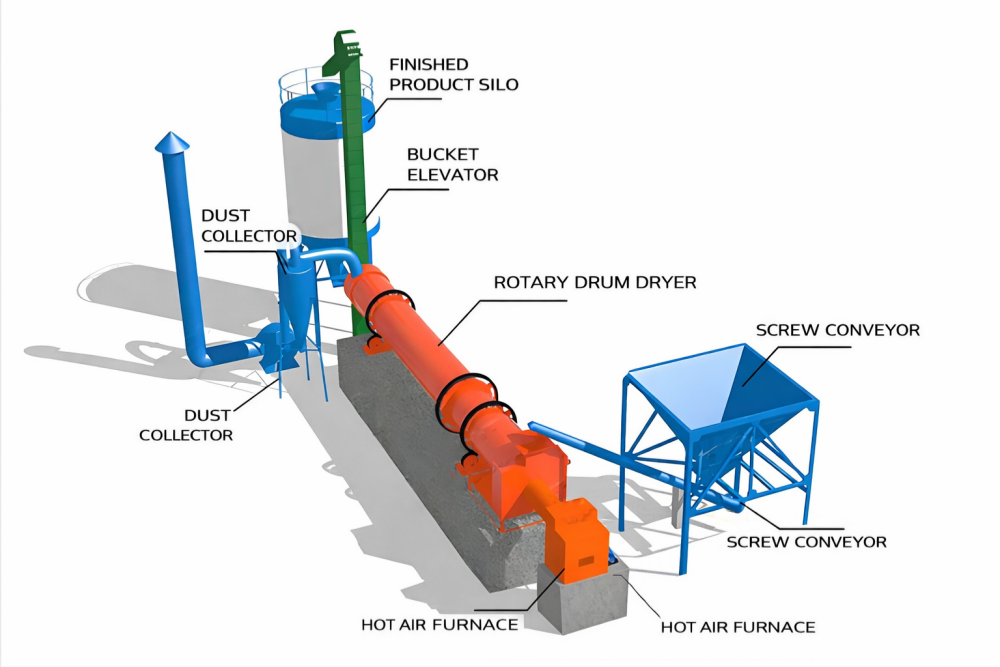
Feeding device
Rotary drum dryer
Heat source system
Cyclone separator or dust collector
Induced draft fan
Discharge device
Electrical control system
If the dried sawdust will be used for pellet production, stable final moisture is especially important. Over-dried sawdust may affect pellet forming, while under-dried material may reduce pellet quality and storage performance. That is why drying should be planned according to the final use of the material, not just according to the machine itself.
To dry sawdust efficiently, operators should pay attention to:
1.Initial and target moisture content
2.Stable feeding rate
3.Suitable heat source and thermal control
4.Proper airflow and dust collection
5.Reasonable dryer capacity matching
6.Final application of the dried material
In summary, efficient sawdust drying depends on more than just installing a dryer. It requires a well-matched system built around actual moisture conditions, production capacity, and downstream requirements. A correctly selected rotary drum dryer can reduce moisture effectively, improve biomass utilization, and support more stable industrial production.
At Sentai machinery, we provide rotary drum drying solutions for sawdust and other biomass materials based on actual working conditions. With the right system configuration, customers can improve drying efficiency while controlling operating cost.
Need a sawdust drying solution? Contact Sentai machinery with your moisture content, target capacity, and fuel condition for a suitable rotary drum dryer recommendation.
Related Articles:
How To Choose A Rotary Drum Dryer For Industrial Materials
Single Drum Dryer Vs Three Cylinder Sand Dryer: Which One Is Better?



 WhatsApp
 Email
Email
 +86 15538010601