
STCrushers Is A Professional Minging Equipment Manufacturer since 2004, Providing High Quality Crushers, Sand Making Machines, Drying Equipment and more.
STCrushers Is A Professional Minging Equipment Manufacturer since 2004, Providing High Quality Crushers, Sand Making Machines, Drying Equipment and more.
A business with access to cement clinker can consider producing cement through a dedicated grinding plant. Purchased clinker has already passed through the kiln stage. The new project therefore starts with receiving and storing that material, then proportioning, grinding, and delivering cement that meets the intended market's requirements.
Imagine a building materials supplier that can buy clinker regularly and wants to sell bagged cement locally. Its first equipment inquiry should describe that plan. Asking for a complete cement factory could bring proposals for upstream facilities the business does not need. Asking only for a ball mill could leave storage, feeding, and packing outside the quotation.
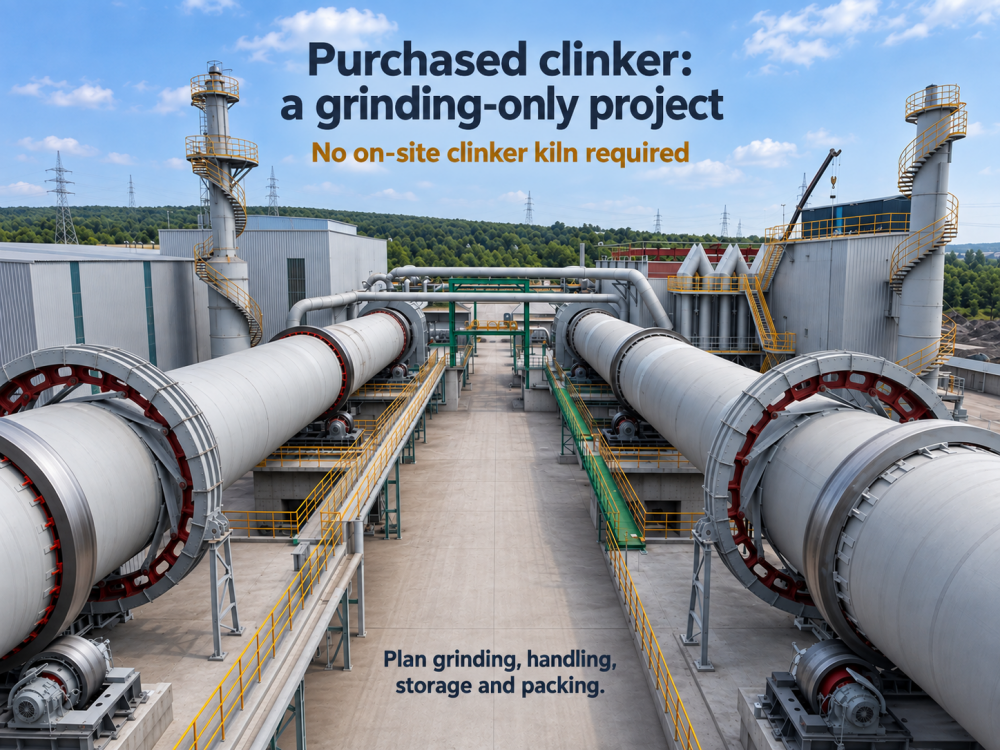
An independent clinker grinding plant does not need a kiln to manufacture its incoming clinker. Limestone quarrying, raw meal preparation, preheating, clinker burning, and cooling at the kiln outlet belong to the upstream clinker producer. Those stages have already been completed before the purchased material arrives.
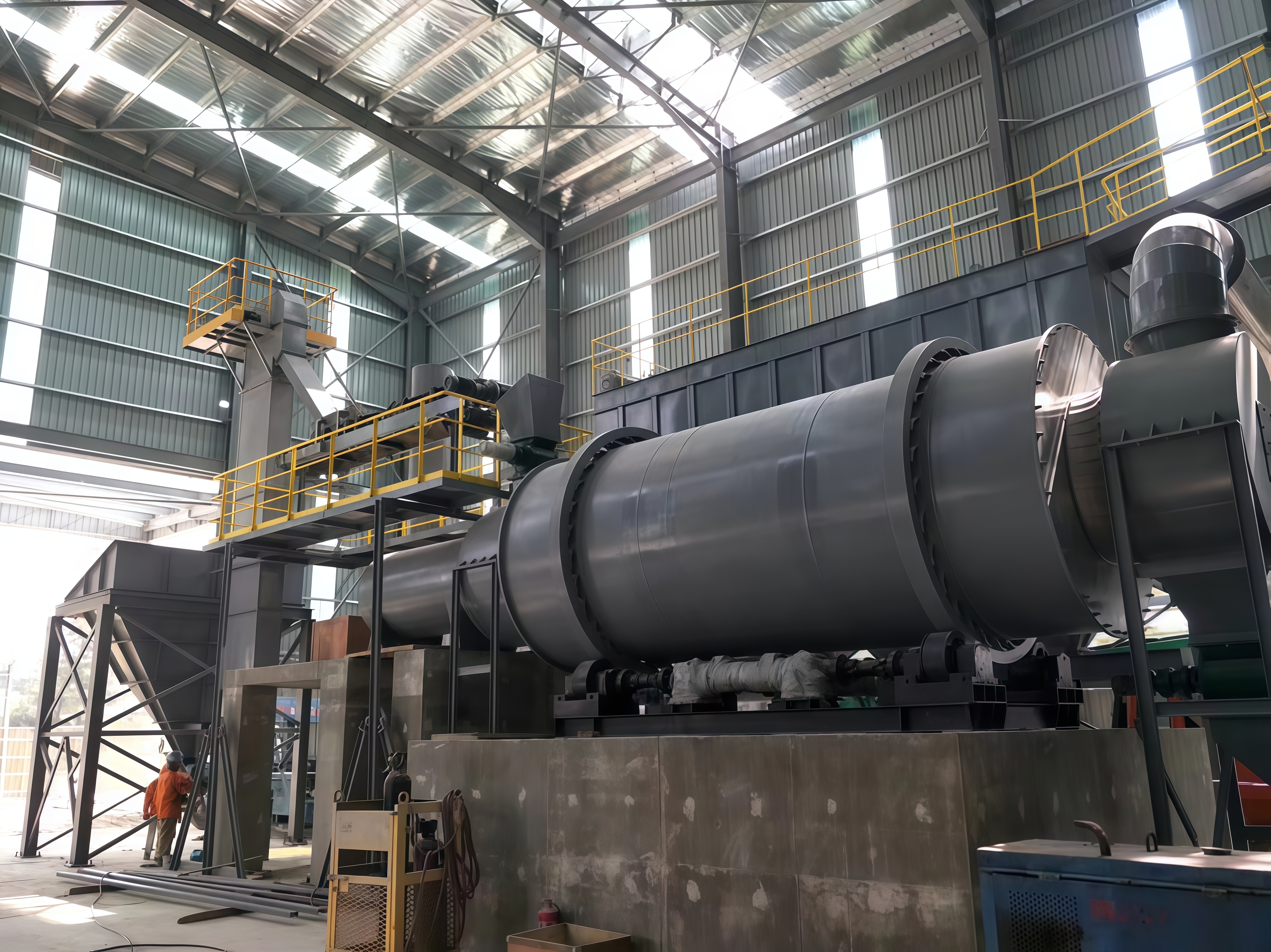
The cement rotary kiln production plant covers a different project scope. It is relevant if the buyer intends to manufacture clinker as well. A grinding project can still need material drying where additives arrive too wet, so excluding the kiln does not automatically eliminate every possible heating requirement.
This distinction should appear at the start of the inquiry: purchased clinker in, finished cement out. It helps suppliers define a practical equipment boundary.
Clinker is the main intermediate material for this route. Gypsum or another suitable calcium sulfate source helps control cement setting. Depending on the intended cement type, permitted constituents may also include limestone, suitable slag, fly ash, or other approved materials. Their proportions require a formulation suited to the target specification.
Avoid choosing a recipe from the lowest raw material price alone. The clinker chemistry, additive properties, and finished cement requirements affect what can be produced. Finer grinding by itself cannot correct every unsuitable ingredient or guarantee the required strength and setting behavior.
Request material information from suppliers and arrange representative testing. Confirm particle size, moisture, and delivery condition as well as composition. These details affect whether crushing, drying, or separate material preparation should be included. Keep different ingredients in designated storage so their feed quantities can be controlled.
A workable plant needs a defined route through receiving, proportioning, grinding, and product handling. The table below summarizes equipment groups to discuss with the supplier. The exact arrangement depends on the chosen grinding system and the facilities already available.
Equipment group | Main purpose |
Receiving hopper and storage | Accept deliveries and maintain a usable feed reserve |
Weigh feeders and conveyors | Supply each ingredient at its specified rate |
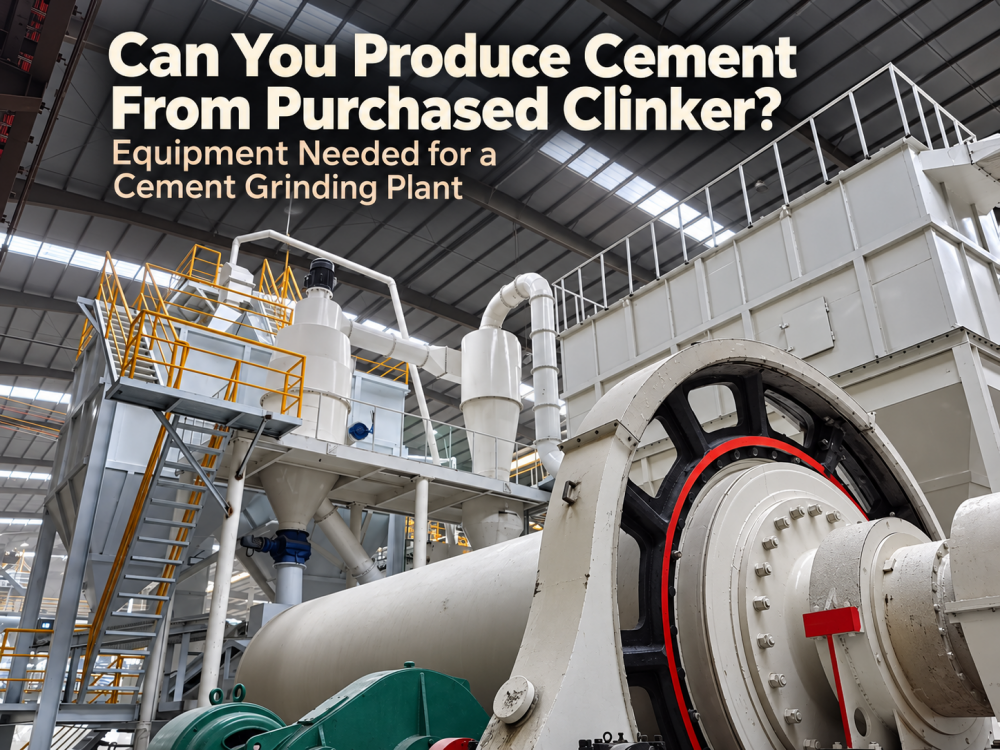
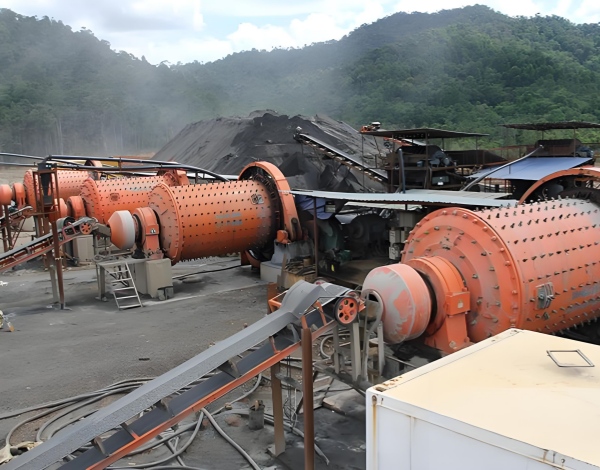
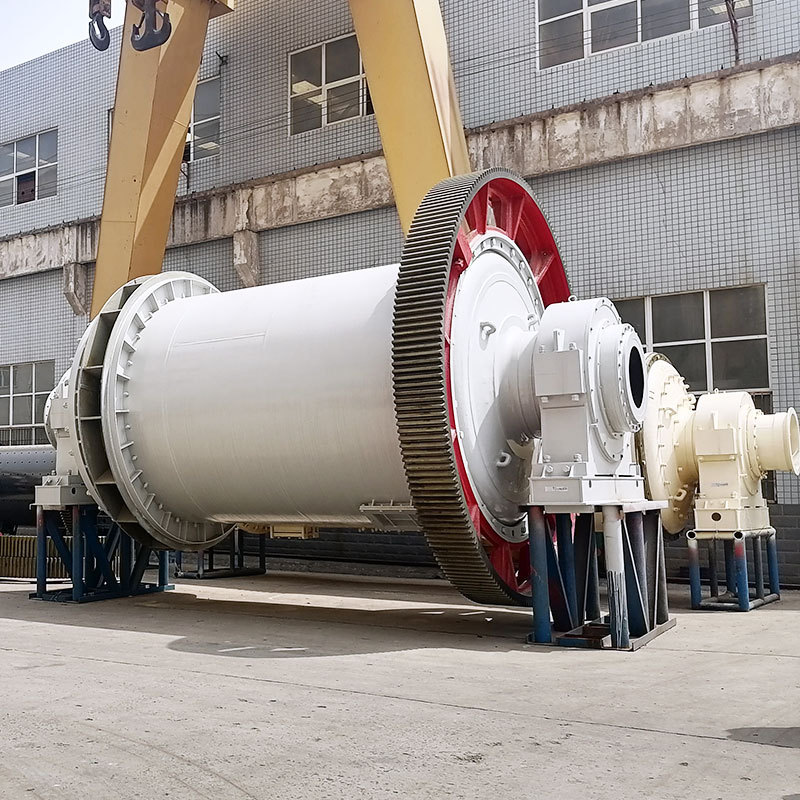
Cement ball mill and drive | Grind the prepared mixture to the required fineness |
Separator and return transport | Separate fines and return coarse material in a closed circuit |
Filters and fans | Collect dust and provide the designed ventilation |
Cement silos and discharge equipment | Hold finished cement and feed dispatch operations |
Packing or bulk loading equipment | Deliver cement in the form customers purchase |
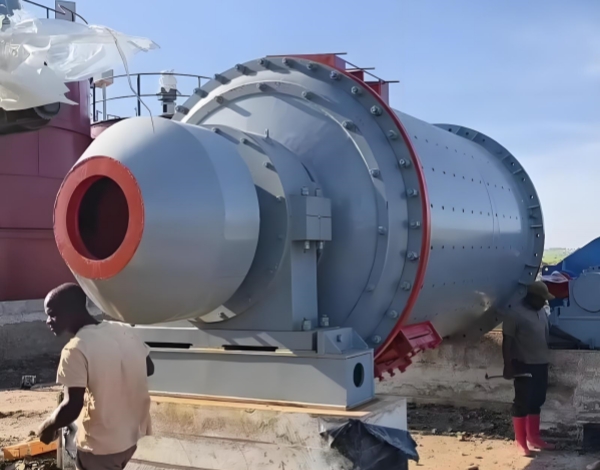
A ball mill can serve as the grinding unit, but its configuration must suit dry cement duty. General ore-grinding capacity figures should not be treated as cement output guarantees. Clinker grindability, the formulation, feed size, and target fineness all influence the capacity assessment.
In a closed circuit, a separator sends the coarser fraction back for further grinding. Buyers do not need to specify every internal component, but they should confirm whether the separator, return equipment, fans, and filters are included. Conveyors, elevators, controls, and electrical connections also need clear supply responsibilities.
The article Comparing Ball Mill Quotations provides a useful reference for checking these inclusions. For cement, also agree how finished product quality will be checked. Sampling and laboratory arrangements support verification of fineness, setting, strength, and other applicable requirements.
The sales plan determines what happens after the cement silo. Bagged sales require weighing and packing equipment, a bag supply, and a suitable route for moving bags into storage or onto trucks. Bag handling may be manual or mechanized according to the dispatch volume and available labor.
Bulk sales require loading equipment suited to the receiving vehicles, with dust control at the loading point. A plant supplying both markets needs provision for both routes. Confirm the expected split early, because it affects silo outlets, packing space, traffic movement, and quotation scope.
Packing and grinding may run different hours. Finished cement storage can provide a buffer between them, but its capacity must reflect the production schedule and dispatch pattern. Include protection from moisture and provision for reliable silo discharge.
Annual sales help define project size, but the equipment supplier also needs the planned operating calendar. For illustration, 120,000 tonnes per year divided by 300 working days and 20 productive hours per day equals an average of 20 tonnes per hour. Those productive hours must realistically account for interruptions.
This arithmetic provides a starting point for planning, not a mill selection. The proposal still needs allowances appropriate to maintenance, material changes, and demand variation. State whether the requested capacity means finished cement output or clinker consumption; the two differ when other ingredients enter the product.
Check power supply, delivery access, and storage space alongside production capacity. A larger mill may offer little benefit if raw materials cannot arrive reliably or finished cement cannot be dispatched at the planned rate.
Provide the clinker source and available test data, intended cement type, applicable product requirements, and proposed additives. Include annual sales expectations, working hours, and the desired bagged or bulk delivery arrangement. Site drawings and available electrical supply information help define installation needs.
Ask the proposal to distinguish equipment supply from civil works, site electrical work, freight, installation assistance, and commissioning. Record any existing buildings, silos, or handling equipment that might be reused. This gives suppliers a common basis for a comparable quotation.
Purchased clinker allows a cement project to begin at the grinding stage. A useful equipment plan connects the actual ingredients to qualified cement, adequate storage, and the customer's delivery format. Defining that complete route makes the first quotation more useful.
Send Sentai Machinery your clinker information, target cement specification, production requirement, and packing plan. Our team can review the ball mill configuration and supporting equipment scope, identify information needed for selection, and prepare a proposal around your site conditions.
Comparing Ball Mill Quotations: What Is Actually Included in the Price?
Cement Rotary Kiln Quotation Scope: Are You Buying a Kiln Section or a Complete Clinker Line
What Site Information Should Buyers Provide Before Plant Layout Design
 WhatsApp
 Email
Email
 +86 15538010601