
STCrushers Is A Professional Minging Equipment Manufacturer since 2004, Providing High Quality Crushers, Sand Making Machines, Drying Equipment and more.
STCrushers Is A Professional Minging Equipment Manufacturer since 2004, Providing High Quality Crushers, Sand Making Machines, Drying Equipment and more.
When buyers talk about a VSI sand making machine, they often focus on machine model, motor power, rotor speed, and hourly capacity. These points are important, but they do not fully decide the finished sand shape.
The material entering the VSI already affects the result before it reaches the rotor. Feed size, feed gradation, moisture, clay content, powder content, and return material ratio can all change crushing behavior. If the feed condition is unstable, the VSI may still run normally, but the final manufactured sand may have poor shape, unstable grading, too much powder, or changing output.
For Sentai Machinery, VSI sand making machine selection should not start from the machine model alone. It should start from the raw material, feed condition, target sand size, screening arrangement, return material balance, and final sand use.
A VSI sand making machine is not designed to receive unlimited feed size. If the incoming material is too large, the rotor load may increase, wear parts may be damaged faster, and production stability may decline. Oversized material can also affect the crushing chamber and create more vibration or uneven discharge.
If the feed is too small or contains too much fine material before sand making, the machine may not work at the best crushing condition. Too many fines can reduce shaping effect, increase dust, and make the finished sand grading harder to control.
The suitable feed size depends on the machine model, rotor structure, raw material hardness, and target product. A stable upstream crushing and screening process is necessary. Jaw crusher, impact crusher, cone crusher, hammer crusher, vibrating screen, and conveyor arrangement should all support stable feed to the VSI.
Feed gradation means the size distribution of material entering the sand maker.
A well controlled feed gradation helps the VSI work more steadily. If all particles are too close in size, the material bed and impact behavior may not be ideal. If the feed range is too wide, larger particles and smaller particles may behave differently inside the machine.
In many sand making plants, return material from the screen goes back to the sand maker. This return material changes the feed gradation. If the return ratio is too high, the VSI may process too much repeated material. This can increase wear, power consumption, and over-crushing risk.
Feed gradation should be controlled as part of the whole sand making circuit, not only by adjusting the VSI itself.
Moisture is often ignored when buyers ask for a VSI sand making machine.
For dry and clean stone, feeding and screening are usually easier to control. But if the material contains moisture, clay, or sticky fine particles, the situation changes. Wet and sticky material may affect feeding, reduce screening efficiency, cause buildup, or increase blockage risk.
Moisture can also change the way fine powder behaves. Some powder may stick to larger particles or screen mesh, making final grading less stable. In a sand making plant, this may lead to unstable product size and higher cleaning demand.
If the raw material contains clay or excessive moisture, the plant may need washing, pre-screening, better stockpile management, or a different process arrangement before final sand making.
Stone powder is not always bad. A controlled amount of fine powder may be acceptable or even useful in some manufactured sand applications. But too much powder can affect concrete performance, sand grading, and buyer acceptance.
Some buyers think stone powder can be solved only by washing. Washing may help, but the better approach is to control powder generation from the process.
Powder content can be affected by raw material hardness, crusher type, feed size, rotor speed, return material ratio, screen setting, and wear condition. If the sand making circuit creates too much repeated crushing, powder content may rise.
The VSI sand making machine should be matched with vibrating screen, dust collection, washing equipment, or powder control system according to the final sand requirement.
Most sand making plants use screening after the sand maker. Material that does not meet the finished size may return to the VSI for further crushing and shaping.
This return process is useful, but it must be controlled.
If too much material returns, the machine load increases. Wear parts consume faster, energy cost rises, and the plant may create more fine powder. If too little material returns, the finished sand grading may not be stable or the shaping effect may be insufficient.
Return material balance depends on screen aperture, feed gradation, raw material hardness, target product size, and machine capacity. The VSI should not be evaluated by open circuit capacity only. In a real sand making plant, closed circuit operation and return load are more important.
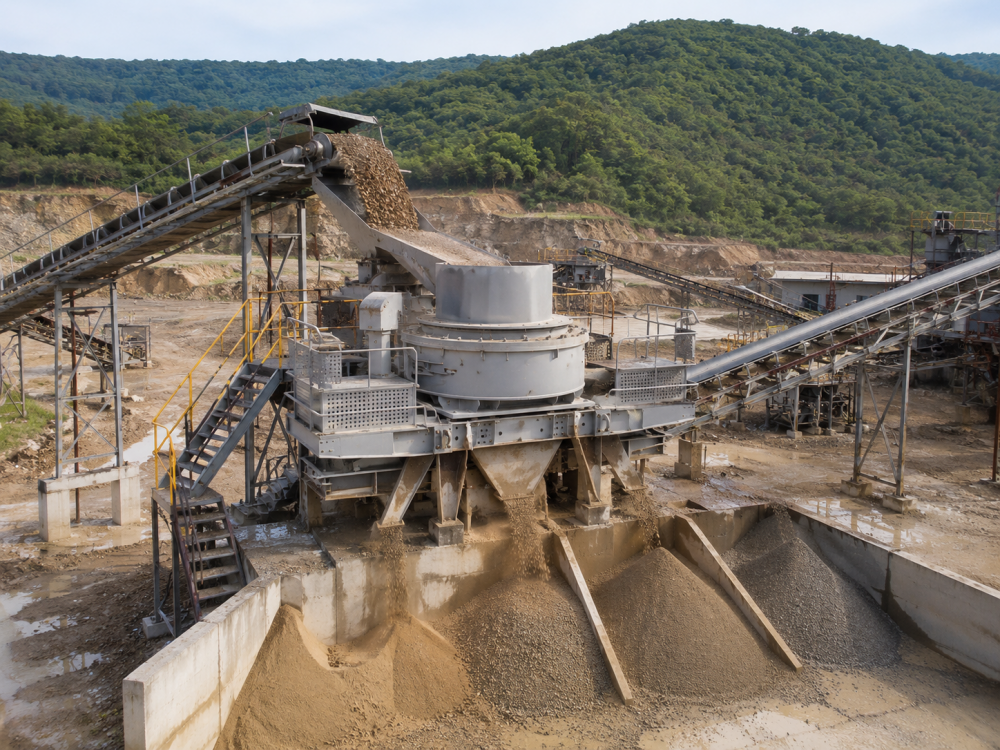
A new VSI sand making machine may produce good sand shape during initial operation. But as wear parts gradually wear, the crushing effect may change.
Rotor tip wear, liner wear, and internal protection part wear can affect material acceleration, impact behavior, and product shape. If wear is not checked regularly, the finished sand may slowly become less stable.
This is why spare parts quality and maintenance planning matter. Buyers should not only compare the initial machine price. They should also consider wear cost, replacement frequency, inspection access, and local operation ability.
A stable VSI plant needs both suitable equipment and regular maintenance.
Even if the VSI produces suitable material, the finished product still depends on screening.
If the vibrating screen is not matched well, the plant may not separate finished sand correctly. Oversized particles may enter finished product, or usable material may return to the machine unnecessarily. Both problems affect plant efficiency.
Screen mesh size, screen layers, screening area, material moisture, feed volume, and screen angle all affect the final result. The VSI and vibrating screen should be selected as one system.
Good sand shape is not only made in the rotor. It must also be separated and controlled after crushing.
Scenario 1: River stone sand making
River stone is usually hard and abrasive. The VSI may be used for final sand making and shaping after primary and secondary crushing. Feed size control, wear parts, return material ratio, and screening become especially important.
Scenario 2: Limestone manufactured sand
Limestone is usually easier to crush, but powder content may become a concern. The process should control feed size, screen setting, and repeated crushing to reduce excessive fines.
Scenario 3: Hard rock aggregate shaping
For granite, basalt, and similar hard materials, the VSI may be used for aggregate shaping. Wear control, stable feed, and proper return material balance are important for stable production cost and product shape.
A common mistake is asking only for VSI model and capacity.
Another mistake is not providing feed size and feed gradation. Without this information, the supplier cannot judge the real load and shaping condition.
Some buyers also ignore moisture and clay. Wet or sticky material may change the whole process design.
Another misjudgment is comparing machine price without considering wear cost, screen matching, return load, and final sand requirement.
A VSI sand making machine should be selected as part of the complete sand making plant.
A useful discussion should start with material information.
First, provide raw material type, hardness, photos, videos, and maximum feed size. Second, explain the feed size expected before the VSI. Third, provide the target finished sand size and application.
Fourth, confirm moisture, clay content, powder limit, and whether washing is required. Fifth, explain the planned capacity, screen arrangement, return material route, and site layout.
With these details, the supplier can recommend a VSI sand making machine and matching process configuration that fits real production conditions.
VSI sand making machine performance should not be judged only by model, power, or rotor speed.
Feed size, feed gradation, moisture, clay, powder content, return material ratio, rotor wear, screen matching, and plant layout all affect the final manufactured sand shape.
For buyers, the better question is not only "Which VSI model should I choose?" A more useful question is "What feed condition can keep my VSI working steadily and producing stable sand shape?"
When feed control and process matching are handled properly, the VSI sand making machine can support more stable manufactured sand quality.
If you are planning a manufactured sand or aggregate shaping project, Sentai Machinery can help review your raw material, feed size, feed gradation, moisture, powder content, capacity target, finished sand size, screening arrangement, and site layout.
Share your material photos or videos, target output, final product requirement, and project conditions. Our team can help recommend a suitable VSI sand making machine and sand making plant configuration.
1. Why Finished Sand Quality Depends on More Than the Sand Maker
2. Why Is There Too Much Stone Powder in Manufactured Sand
3. How to Choose Equipment for a Sand Making Plant
4. Before Building a Sand Making Plant, Check These Site and Material Conditions
5. What Changes When River Stone Is Used Instead of Limestone in a Sand Making Plant
Specific Solution:
3. 50-100 tph Sand Making Plant

 WhatsApp
 Email
Email
 +86 15538010601