
STCrushers Is A Professional Minging Equipment Manufacturer since 2004, Providing High Quality Crushers, Sand Making Machines, Drying Equipment and more.
STCrushers Is A Professional Minging Equipment Manufacturer since 2004, Providing High Quality Crushers, Sand Making Machines, Drying Equipment and more.
The conveyors were turning when the operator started the secondary crusher. The lights dimmed, voltage fell, and the screen protection tripped. The electrical system had been planned from a total kilowatt figure rather than from the way the plant starts and runs.
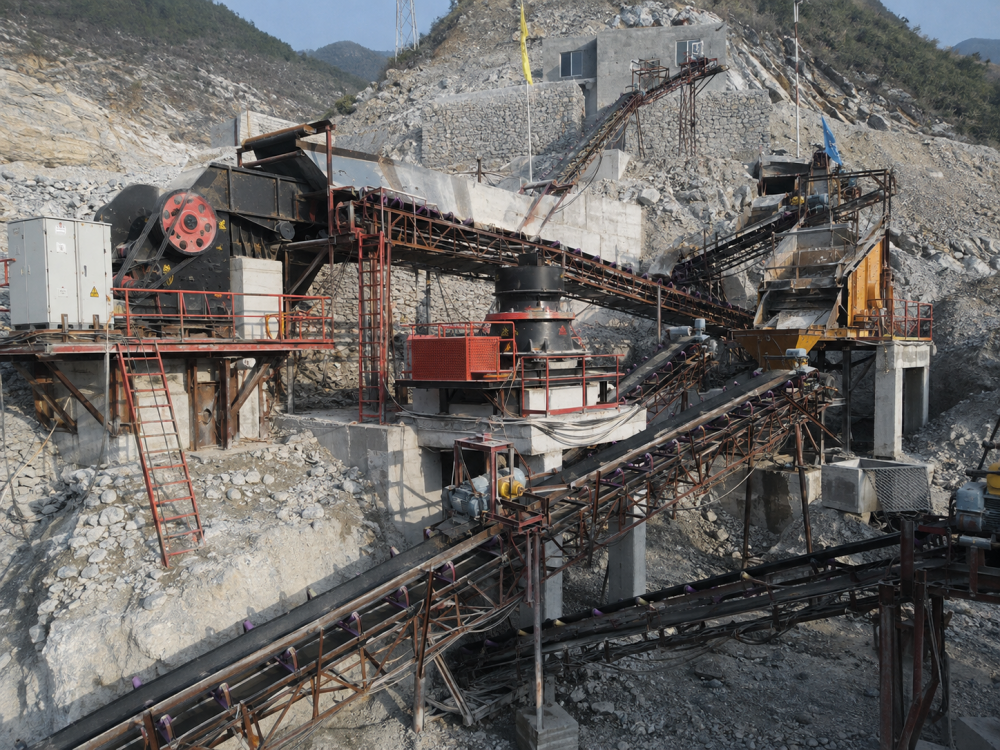
A stone crusher plant draws power through crushers, feeders, screens, conveyors, dust-control equipment, pumps, and controls. These motors do not always carry full load together, yet one large motor can create a brief starting demand far above normal operation. The question of how much power the plant needs therefore has several answers.
Connected load is the sum of rated power for the installed motors and auxiliaries. It defines the equipment package but does not show which motors run together, how heavily they are loaded, or what happens when the largest motor starts.
Separating the main electrical figures makes the planning decision clearer.
Electrical figure | What it describes | Why it matters |
Connected load | The sum of rated power for installed motors and auxiliaries. | Defines the installed package, not the actual site demand. |
Running load | The demand while the plant processes material at its expected duty. | Influences normal utility capacity and energy use. |
Starting demand | The short peak created while a motor accelerates. | Can govern the transformer, generator, starter, and voltage-drop review. |
Auxiliary load | Dust collection, pumps, lighting, workshop services, and controls. | May sit outside a crusher-only equipment quotation. |
Future allowance | Capacity reserved for a defined expansion plan. | Can prevent an electrical rebuild when another stage is added. |
A useful power review begins with the final process flow and a motor schedule. It should include the feeder, primary and secondary crushers, screen, conveyors, return loop, dust collector, pumps, oil systems, air compressors, and control-room services.
The schedule must also show which motors run together. A conveyor uses less power than a crusher, but a plant may contain many conveyors. Dust control and pumps can remain online throughout production. Omitting these loads can undersize the site supply even when every crusher motor was counted.
Adding a product conveyor, larger screen, prescreening section, or return conveyor changes the electrical scope, so the motor schedule should follow the final equipment configuration.
A motor does not draw the same power under every condition. Rock hardness, abrasiveness, feed size, moisture, clay, crusher setting, chamber condition, and feed consistency influence mechanical demand. Controlled limestone feed behaves differently from hard granite containing frequent oversize.
Process design matters as well. A closed return loop moves more internal material than saleable output suggests. More product sizes can require a larger screen and additional conveyors. Poor screening can raise the return load, consuming more power without creating more qualified aggregate.
TPH alone therefore cannot define demand. Two 100 TPH plants may need different motor combinations because their rock, feed size, crushing stages, product targets, and recirculating loads differ.
Normal running demand is only part of the design. A large crusher motor needs extra current while it accelerates the driven mass. The voltage dip may disturb contactors, controls, screens, and conveyors when the source is weak, the cable run is long, or several machines start together.
Direct starting, a soft starter, and a variable-frequency drive do not impose the same demand. The suitable method depends on motor size, machine duty, source strength, starting torque, operating practice, and local electrical rules. It should not be chosen from a universal multiplier.
Restart conditions also matter. A crusher normally reaches speed before feed begins, but a trip can leave material in the chamber or on conveyors. The plan should define how the line will be cleared and restarted safely instead of assuming every start occurs with empty equipment.
Three-phase power may be available without being adequate. The review also needs voltage, frequency, transformer capacity, distance to the motor-control center, cable route, permitted starting method, and any utility limit on voltage disturbance.
Transformer selection cannot follow motor kilowatts alone. Simultaneous load, efficiency, power factor, starting performance, ambient conditions, protection, and expansion affect the final rating. Long cable runs add voltage drop and may change cable size or equipment placement.
Sentai Machinery can provide motor data and the intended operating sequence. A qualified electrical engineer should complete the transformer, cable, earthing, protection, and compliance design under local utility requirements and electrical codes.
Remote projects often rely on generators. Generator nameplate kVA does not describe its ability to start a large crusher motor while other loads remain online. The alternator and engine must accept the sudden step without excessive voltage or frequency drop.
Planning considers the largest motor, starting method, sequence, simultaneous load, transient response, and continuous or standby rating. Altitude, temperature, fuel condition, and future additions may reduce usable capacity. A generator that carries the running plant can still fail during the critical start.
The generator supplier should review the actual motor schedule. A generic generator-to-TPH ratio cannot capture the differences among an impact-crusher line, a hard-rock route, and a mobile setup with different drives.
A crushing line is normally started from the discharge end toward the feed end. Downstream conveyors and screens run before material enters the primary crusher. Delays between starts prevent several large loads from reaching the source together.
During shutdown, feed stops early enough for the circuit to clear. Interlocks can stop a feeder when downstream equipment fails, while soft starters or variable-frequency drives may reduce selected peaks. These controls support an adequate power system; they do not replace one.
Before quotation and layout are finalized, the buyer should provide the material, feed size, capacity, finished products, process flow, working hours, and expansion plan. Electrical data should cover voltage, frequency, transformer or generator, cable distance, starting restrictions, temperature, and altitude.
The supplier can then prepare the equipment and motor schedule, identify the largest likely starting load, and define included auxiliaries. A local electrical engineer or utility can use it to complete source selection, cables, protection, earthing, and statutory review.
Connected load identifies the motors installed in a stone crusher plant. Running load describes the demand expected during production. Starting demand tests whether the source can bring the largest machine to speed without destabilizing the rest of the line. Treating these figures separately creates a more reliable basis for equipment selection, site power planning, and project budgeting.
If you are planning a crushing and screening project, share the material, feed size, capacity, final products, process route, site voltage and frequency, available transformer or generator, cable distance, and future expansion plan. Sentai Machinery can prepare the proposed equipment configuration and motor schedule so the plant power system can be reviewed before the electrical scope and equipment order are finalized.
50 TPH vs 100 TPH Stone Crusher Plant: What Changes in Equipment, Site, Power, and Budget
Mobile Crusher Power Options: What Changes Between Diesel and Electric Operation
How Much Does a Stone Crusher Plant Cost? Build the Budget From Equipment Quote to First Production
How Many Crushing Stages Does a Stone Crusher Plant Need? One-Stage vs Two-Stage vs Three-Stage
What Site Information Should Buyers Provide Before Plant Layout Design
40-60 TPH Stone Crushing Plant



 WhatsApp
 Email
Email
 +86 15538010601